
Hedge Cutting Old Catton Norfolk (NR6): Whether they are being used to separate different parts of the garden, soften the edges of a property or simply add some shape to an outdoor space, hedges remain a regular feature in gardens all around Old Catton. However, regular cutting is needed to help keep most hedges at a reasonable height & width, rather than letting them to grow too large. Some hedges will need cutting more regularly than others, depending on the variety, how swiftly they grow and the style of finish that you wish to achieve.

Not every hedge trimming project involves the same level of work, with some requiring nothing more than a fairly gentle tidy-up & others calling for a considerable reduction in overall height or width. How formal you want your hedge to be can also have a bearing on how often it needs attention, as straight sides & a crisp top normally require more upkeep than a less structured, more natural shape. While less vigorous hedges may only call for infrequent trimming, more vigorous varieties can benefit from several cuts throughout the period of active growth.
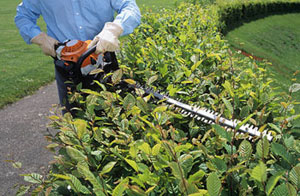
When to Cut and Trim Your Hedges
The best time for cutting hedges in Old Catton can change from one species to another, because each can have different growth patterns and requirements. The extent of the work being done also needs to be taken into account, since a light cut is very different from removing a considerable amount of mature growth. The particular variety of hedge that's involved should be identified before beginning any major work, along with whether the season is appropriate for trimming it.
The potential presence of wildlife needs to also be borne in mind, especially during the nesting season. Before any hedge trimming gets underway, the hedge should be thoroughly checked for active bird's nests, which must not be disturbed. Any concern about creatures that could perhaps be sheltering or nesting inside the hedge is a good reason to postpone the cutting, with the job put back for a more suitable time.
Choosing the Right Time for Hedge Trimming
How well a hedge responds to being trimmed back will depend according to the type, as different hedges can tolerate varying levels of cutting. While certain hedge types can tolerate reasonably heavy pruning, even generating new growth from old wood, others may have difficulty recovering if trimmed back beyond the green outer foliage. Because of this, identifying the type of hedge that you are working on can help you to determine the most suitable way to handle the trimming.
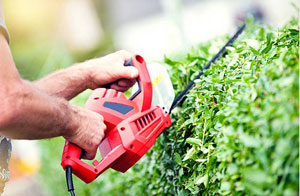
The kind of finish that you want to achieve should also be considered. More formal hedges normally need careful attention in order to retain neat lines and an even profile, whereby less formal hedges can sometimes be allowed to keep more of their natural character. Any excessive growth should be brought under control without removing too much, as the hedge must still be able to readily tolerate the amount of trimming involved.
A lengthy section or a hedge that is growing on sloping ground can make it much more difficult to end up with a straight, evenly shaped finish. Rather than just following the existing outline & potentially accentuating bumps, dips & uneven sections, taking a little time to work out the shape beforehand can help achieve a better end result.
A slight inward taper is frequently created when shaping formal hedges, with the sides gradually narrowing towards the top rather than flaring outwards. Keeping the hedge gently tapered towards the top can create a more uniform appearance, while also helping more light to filter through to the foliage lower down. For hedges where a straight result is particularly necessary, string lines, measuring poles & other simple guides can be used to guide the work. This is of course one reason why those living in the Old Catton area may choose to have their hedges cut by somebody who is experienced in achieving a sharp, clean finish.
Access Around the Hedge Matters
Hedge cutting can be reasonably straightforward when the whole hedge is easy to reach from level ground, whereas other hedges can prove a lot more difficult. Where a hedge runs alongside walls, fences, sheds, conservatories or steep banks, working on it can be hard, particularly if it is also very large, making it sometimes impossible to cut properly from a single position.
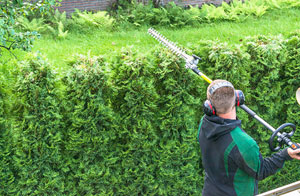
Before pressing on with the cutting, it's worthwhile to plan how the hedge can be accessed safely, instead of dealing with this once the cutting has already got underway. Obstructions, uneven ground & other potential hazards around the hedge should also be checked for beforehand, particularly in cases where they could make moving equipment more difficult. Hedges alongside a pavement, road or neighbouring property can call for a little more consideration, since the nearby areas need to be kept clear and safe without causing avoidable obstruction.
Some hedge cutting jobs become much more complicated because of the amount of growth, and in these situations a reputable hedge cutting contractor from the Old Catton area can provide the experience & equipment needed to get the work done safely & efficiently.
The range of equipment used on a bigger hedge cutting job can go well beyond the hedge trimmer itself, with a range of other tools often required. The tools which are used can vary as the cutting gets heavier, with secateurs suited to finer, selective work and chainsaws or pole saws coming into their own when thicker woody growth needs removing. Getting into a safe position to cut the hedge is only part of the job, as suitable access equipment could be required for taller or less accessible areas, while sheets placed underneath can help contain the smaller cuttings as they fall. Where a large quantity of cut material has already been generated, shoving suitable material through a shredder or chipper can make the waste easier to handle, with rakes and leaf blowers then helping to clear up the smaller debris.
Tools and Equipment for Hedge Cutting
The tools that are most suitable for hedge maintenance will be determined by the condition & size of the hedge being worked on. Different tools can be useful for different parts of the job, with hand shears well suited to fine adjustments & more precise work, while powered hedge cutters can make it easier to tackle more significant areas of softer growth. Although long-reach equipment can help with reaching the higher sections of a tall hedge, it must still be used from a stable working position.
The thicker the stems & branches, the more likely it's that loppers, pruning saws or similar cutting tools will be more suitable, rather than a standard hedge trimmer. If the equipment that's being used is not suitable for dense growth, trying to force it through can leave an uneven finish while also risking damage to the machinery. Choosing the right tool for each part of the task can make the work quicker, cleaner and easier to control.

Tackling Large and Difficult Hedges in Old Catton
There is a substantial differance between giving a hedge its usual seasonal trim & dealing with one that has grown well beyond its original dimensions, so the latter may need a different method. How much material can safely be taken off should be established before the cutting gets underway, together with the likely condition of the hedge following the cutting. If a substantial amount is cut back from the sides of particular hedges, it can uncover bare woody growth that might take a considerable time to recover.
It is worth bearing in mind that excessively large hedges can have substantial branches, particularly where the hedge has been left to grow for a number of years. Where substantial branches need to be taken down, doing so in a controlled way can help prevent them falling onto plants, fences or other features below. In certain situations, bringing a hedge back to its intended dimensions should be handled as a planned reduction rather than a regular maintenance job.
What Happens to Hedge Waste?

A hedge doesn't have to be especially big to create a considerable quantity of cut material, and this will become more apparent after the trimmings have been piled together. Before the surrounding area can be properly cleaned up after a more substantial hedge cutting job, the mixture of leafy material, longer shoots and heavier branches left behind will first need to be collected.
How the material is dealt with will largely depend on both the quantity generated and the facilities that are on hand. Some householders in Old Catton may be able to compost suitable clippings or deal with small volumes themselves, while more substantial amounts may need to be processed and removed. In preference to waiting until the cutting is underway to decide how the waste will be managed, it can be worthwhile to make these arrangements beforehand, especially where bags, branches or machinery need to be moved through restricted access.
Keeping Hedges Easier to Maintain
When a hedge has been reduced to the intended size, keeping to a regular trimming schedule can make following maintenance visits a lot more straightforward. Large volumes of established growth should not need to be cut back constantly if the hedge is kept properly maintained, as subsequent trims can instead deal mainly with the newer shoots poking out beyond the required outline.
Not every type of hedge will need to have this work done at the same frequency, so how often it is done can differ. There's no fixed interval before another trimming is necessary, because this can be influenced by the hedge's variety, how rapidly it puts on new growth, the weather conditions and the level of neatness required. By monitoring the hedge after it has been trimmed, it is possible to get a better idea of how quickly new growth develops, which can help decide on a manageable maintenance interval.
For property owners in Old Catton, there may be times when it is easier to get in somebody experienced in hedge cutting to take care of the work, rather than trying to deal with it all themselves.
Professional Hedge Trimming in and Around Old Catton
Where a hedge is more modest in size and can be readily accessed, householders in Old Catton may prefer to carry out the routine cutting themselves. More substantial hedges, those that have restricted access, substantial branches and jobs that require a precise finish can be alot more demanding, however, especially when more specialised equipment is needed.
A good hedge maintenance company from Old Catton should first inspect the hedge to get a better idea of exactly what is required, with its species, size, overall condition, immediate surroundings and your preferred finished appearance all helping to determine how the work is approached. This is important where various different hedging plants are being dealt with, since each one may call for a slightly different method or maintenance schedule.
How much needs to be taken from the top section is only part of looking at hedge trimming in Old Catton, and it is also important looking at the hedge in its entirety before working out what needs to be done. When determining how best to approach the work, the hedge's type, overall shape, accessibility, surrounding features & likely future growth should all be considered. Instead of simply reducing a hedge to the required size, it's worth using a practical game plan that keeps its growth under control while still retaining the character that makes it a useful feature of the garden.
Professional Help With Hedge Maintenance
Rather than trying to tackle the hedge cutting themselves, property owners in Old Catton who would rather leave this type of work to someone else, or who are unable to do it themselves, can get in a reputable hedge cutting service who can deal with the hedge from beginning to end. They can check the type & condition of the hedge, determine the most effective way to cut it and take care of hurdles such as restricted access, thicker growth and waste removal. If you've got several hedges that need trimming, or you're looking to keep them at a certain size, outline or finish, getting somebody experienced to tackle the work can mean the cutting can all be dealt with for you.
Nearby:Garden maintenance services are available in Old Catton and also in nearby places like: Horsham St Faith, Beeston, Rackheath, Upper Hellesdon, Horsford, Thorpe End, Newton St Faith, Frettenham, Sprowston, Spixworth, Norwich, New Catton, Catton, Hainford, Hellesdon, Drayton, Crostwick, and in these postcodes NR6 7DS, NR6 7AL, NR6 7NJ, NR6 7DN, NR6 7BQ, NR6 7HL, NR6 7ND, NR6 7EG, NR6 7NW, NR6 7BH. Local Old Catton gardeners will probably have the postcode NR6 and the telephone dialling code 01603. Checking this should guarantee that you're accessing locally based gardeners. Old Catton householders will be able to benefit from these and lots of other garden related services. Simply click on the "quote" banner to get info on gardening in your area.
Cutting and Maintaining Privet Hedges
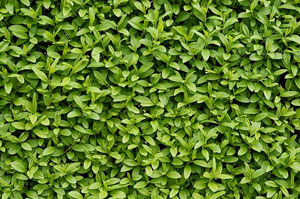
Anyone in Old Catton who's planning on planting a privet hedge could find the following information worth reading when deciding if privet is the sort of hedge they want to plant - One reason why privet is so widely used for hedging in Old Catton is its ability to develop into a substantial screen that with regular clipping is easy to keep neat and tidy. Keeping an established privet hedge looking tidy can involve more frequent attention than some other forms of hedging, because the new shoots develop fairly speedily & may soon spread beyond the required shape. The overall dimensions of a well-established privet hedge are generally more straightforward to control when new growth is removed regularly, which will also help to encourage a thick covering across the sides of the hedge. Once a privet hedge has gone without regular attention for a considerable length of time, substantial stems & woody sections can become established, increasing the chance that the hedge will need more than a straightforward routine trim.
Identifying & Dealing With Hedge Problems
While some disease and pest problems may at first first emerge as visible changes to the hedge, they can as they develop affect alot more than its appearance alone. Knowing what to look out for can make problems with hedges simpler to identify, with patches of weak growth, unusual markings, withering stems and changes to the leaves being among the signs that could suggest a pest or disease issue. Some of the problems which affect a hedge come from insects which are attacking its growth, including aphids, caterpillars and scale insects, while others are the result of fungal diseases that can damage leaves, shoots and branches. Working out what's behind the issue should come before you cut out any affected or damaged growth, as the right course of action can depend on whether disease, pests or something else is causing the problem. Affected growth can sometimes be removed as one part of tackling the issue, but attention might also need to be given to the underlying pest, disease or growing conditions responsible for it.
Rather than simply cutting away unhealthy growth, anybody in in the Old Catton area with a hedge that looks to be affected by pests or disease can bring in an experienced local hedge specialist or gardener to assess the problem first.
Hedge Maintenance Tasks & Services

Old Catton gardeners and hedge specialists can usually help you with beech hedge cutting and pruning, instant hedging, agricultural hedge cutting in Old Catton, tall hedge cutting, yew hedge planting, farm hedge cutting, domestic hedge trimming, garden hedge planting, hedge lowering, boundary hedge cutting, regular hedge maintenance, hedge shaping in Old Catton, hedge thinning & crown reduction, wisteria pruning, the maintenance of trees and hedges, estimates for hedge cutting, ivy removal, hedge stump grinding, garden waste disposal, contract hedge cutting, overgrown hedge cutting in Old Catton, cedar hedge cutting in Old Catton, help with removing a hedge, commercial hedge cutting in Old Catton, yew hedge trimming and other hedge related services in Old Catton, Norfolk. Listed are just a selection of the tasks that are carried out local gardeners. Old Catton specialists will be happy to inform you of their whole range of services.
Hedge Cutting Services Old Catton

- Hedge Planting in Old Catton
- Hedge Reduction in Old Catton
- Hedge Tidying in Old Catton
- Hedge Height Reduction in Old Catton
- Tree Pruning in Old Catton
- Shrub Pruning in Old Catton
- Hedge Spraying in Old Catton
- Hedge Removal in Old Catton
- Hedge Shaping in Old Catton
- Hedge Maintenance in Old Catton
- Hedge Pest Control in Old Catton
- Hedge Pruning in Old Catton
- Hedge Lopping in Old Catton
- Hedge Trimming in Old Catton
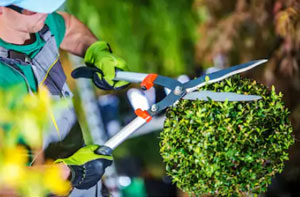 Hedge Care Old Catton
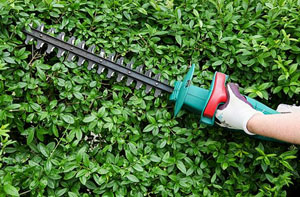 Hedge Cutting Old Catton
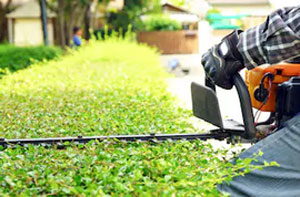 Hedge Trimming Old Catton
Hedge Care Near Me
Near Old Catton you will also find: Newton St Faith hedge cutting services, Beeston hedge cutting services, Norwich hedge cutting services, Upper Hellesdon hedge cutting services, Thorpe End hedge cutting services, Horsham St Faith hedge cutting services, Frettenham hedge cutting services, Catton hedge cutting services, Spixworth hedge cutting services, Hainford hedge cutting services, Hellesdon hedge cutting services, Horsford hedge cutting services, Rackheath hedge cutting services, Sprowston hedge cutting services, New Catton hedge cutting services, Drayton hedge cutting services, Crostwick hedge cutting and more. All these villages and towns are served by local hedge care specialists. Old Catton home and business owners can get hedge trimming quotes by going here.
More: Ornamental Hedges, Width Reduction, Regular Maintenance, Boundary Maintenance, Commercial Hedges, Height Reduction, Hedge Height Reduction, Shrub Pruning, Hedge Pruning, Boundary Hedges, Yew Trimming, Hedge Height Reduction, Hedge Planting, Hedge Lowering, Hedge Pruning, Privet Trimming, Hedge Reduction, Cheap Hedge Trimming, Hedge Renovation, Boundary Hedges.
Specialist hedge cutting in the NR6 area, telephone code 01603.
TOP - Hedge Cutting Old Catton
Hedge Pruning - Hedge Clipping Old Catton - Hedge Maintenance Old Catton - Hedge Shaping - Hedge Trimming Near Me - Conifer Trimming - Hedge Removal Old Catton - Hedge Cutting Old Catton - Tree Surgery Old Catton