
Hedge Cutting Woodmansey East Yorkshire (HU17) Area: Whether they're being used to separate different parts of the garden, soften the edges of a property or simply bring some definition to an outside space, hedges remain a regular sight in gardens across Woodmansey. If most hedges are to remain at a practical size and shape, they will need to be clipped every once in a while. How regularly this needs to be done will depend on the kind of hedge, its rate of growth & the sort of finish that you want to end up with.

In some situations, a hedge might only require a fairly light trim, while in others it could require a substantial reduction in height or width. If you are looking for a formal hedge with clean lines & a neatly defined top, it will normally need more regular maintenance than a hedge where a looser, more natural shape is wanted. While slower-growing hedges may only need infrequent cutting, more vigorous varieties can need several sessions over the course of the period of active growth.
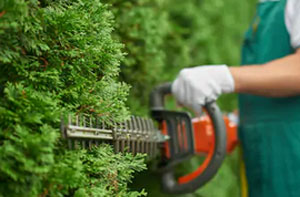
When is Hedge Cutting Best Carried Out?
When a hedge in Woodmansey should be trimmed will depend to some extent on the species involved, because different hedges grow in different ways and have different requirements. Whether the hedge is just receiving a light cut or undergoing a much more considerable reduction of older growth can have an important bearing, so the amount of work involved also needs to be considered. The particular type of hedge that is involved should be taken into account before pressing on with any major work, along with whether or not the season is appropriate for cutting it.
Particular consideration should also be given to wildlife during the nesting season. It is essential to thoroughly check a hedge before clipping it, making sure that any active bird's nests are not disturbed. Any concern about wildlife that may be living or nesting inside the hedge is a good reason to put off the work, with the job put back for a more suitable time.
The Right Time to Cut Your Hedges
The way a hedge reacts to being trimmed can differ considerably from one variety to another. Certain varieties respond well to reasonably heavy cutting back & can develop new growth from older wood, while others might find it difficult to recover if they're cut back too far beyond the green outer foliage. Because of this, understanding the variety of hedge involved can help you to determine the right way to handle the work.
It's also worth considering how you would like the hedge to appear once the trimming has been done. If your hedge is being grown in a formal style, regular trimming will typically be necessary to preserve its precise & tidy appearance, while mixed hedges can often be allowed to keep more of their natural appearance. Any unwanted growth should be controlled without taking too much off, because the hedge still needs to be able to properly cope with the amount of trimming involved.
A long run or a hedge that is growing on sloping ground can make it considerably more awkward to achieve a straight, evenly shaped finish. A bit of planning before beginning the trimming can help prevent accentuating existing bumps, dips & uneven areas that might otherwise become more obvious if you simply work to the hedge's existing outline.
When trimming a formal hedge, the sides are frequently made a bit narrower near the top to maintain a subtle taper, rather than allowing the hedge spread outwards. More light is able to reach the lower growth when the sides are slightly tapered, while the hedge can also take on a more well-proportioned shape. For hedges where a uniform finish is particularly desirable, measuring poles, string lines & other basic guides can be used to help keep the cutting even. This is also one reason why householders in Woodmansey may decide to have formal hedges cut by someone who is experienced in achieving neat and uniform finish.
Working Space Can Make a Difference
The cutting is often considerably simpler when the whole hedge can be accessed from flat ground, but this is not always the case, and some situations can be considerably more challenging. Where a hedge grows alongside a wall, fence, shed, conservatory or steep bank, reaching it can be awkward, particularly if it is also rather wide, making it hard to work on properly from one position.
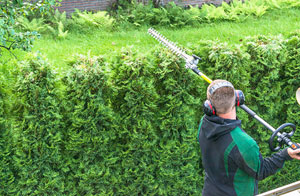
Suitable access needs to be planned before the work begins, rather than being arranged at the last minute once the cutting is already in progress. Before the job begins, the ground close to the hedge should be checked for anything that might make access more awkward, including obstacles & variations in height that could affect the positioning of equipment. Where a hedge is next to a pavement, road or neighbouring property, additional care will be necessary to make sure the surrounding area safe and minimise needless obstruction.
If the height, location or extent of growth makes hedge cutting more difficult, a competent hedge cutting specialist from the Woodmansey area should have the tools & experience to handle the job safely, while also knowing how best to approach the work.
What might look like a fairly straightforward hedge cutting job can require several different pieces of equipment, especially where there is heavier growth, restricted access or a considerable amount of cut material to remove. Every part of a hedge cannot necessarily be tackled using the same tools, since secateurs may be enough for smaller, selective cuts, whereas thicker branches could call for something more substantial, such as a pole saw or chainsaw. The equipment that is required isn't limited to cutting tools, particularly on taller or more awkward hedges; suitable step-ladders or platforms can give the necessary access, whilst plastic sheeting laid on the ground help prevent smaller clippings from being scattered across the surrounding area. The work does not necessarily end once the hedge has been cut, because larger jobs can leave a sizeable quantity of material to remove; shredders or chippers may be used for the bulkier branches, followed by leaf blowers and rakes to finish the clear-up.
Hedge Trimming Equipment and Tools
Different hedges can require different tools, depending on their overall size and current condition. For small areas, finishing touches & more detailed shaping, a pair of hand shears can be a really good option, whereby powered hedge cutters are generally quicker when trimming larger areas of softer growth. Long-reach tools can be helpful when working on particularly tall hedges, although they should still be handled from a safe working position.
Heavier stems & older branches may require loppers, pruning saws or other suitable cutting tools rather than an ordinary hedge trimmer. A uneven finish can result when inappropriate equipment is forced through heavy growth, and there is also a chance of putting excessive strain on the machinery. Different parts of the cutting may call for different tools, and making the most suitable choice can help produce a cleaner finish, make the work quicker & provide better control.

Tackling Large and Awkward Hedges in Woodmansey
A hedge which has grown far beyond its desired size may need a different method to one that is having its usual seasonal tidy-up. How much material can safely be cut back should be determined before the work starts, together with the probable condition of the hedge once the work is complete. Taking a significant amount from the sides of particular hedges can reveal old internal growth that could remain bare for a considerable time if you are not careful.
Where a substantial hedge has been allowed to mature over a long period, some of the established branches can be extremely substantial. Rather than letting large sections to fall onto plants, fencing or other features below, it is usually safer to remove these areas in a controlled way. In some cases, bringing a hedge back to its desired height & width should be handled as a carefully planned reduction rather than an ordinary trimming job.
Handling Hedge Waste

Once the cuttings from a modest hedge have been gathered together, the volume of green waste can be greater than expected. After a more extensive hedge cutting task, there could be a mixture of fine leafy material, long shoots and thicker branches to gather before the surrounding area can be properly cleared.
Depending on the amount of waste produced & what facilities are accessible, there may be different ways of disposing of it. The more modest volumes of suitable cuttings may be easy enough for some Woodmansey householders to deal with themselves, but greater volumes can call for a different way of dealing with them, such as arranging for the material to be taken away. Planning how the waste will be handled before beginning the trimming can be particularly important where space is limited, as waste & equipment might need to be transported through the area.
The Benefits of Regular Cutting
Sticking to a regular maintenance schedule once a hedge has been brought to the preferred height & width can make the work needed on following visits much simpler. Instead of continually removing large quantities of mature growth, following cuts can focus on the more recent shoots that have pushed out beyond the required profile.
Not every hedge will need to have this work done at the same frequency, so how often it's needed can differ. How soon another trim is needed can depend on a range of factors, including the hedge's growth rate, its type, the weather & how neat it needs to be looking. By taking notice of the hedge after it has been cut, it's possible to work out how fast new growth appears, which can help determine a suitable maintenance schedule.
For homeowners in Woodmansey, keeping hedges maintained can sometimes mean using a gardener rather than trying to keep on top of all the work themselves.
Professional Hedge Cutting in the Woodmansey Area
Where a hedge is more modest in size and can be readily accessed, residents in Woodmansey may decide to do the general cutting themselves. Where hedges are more substantial, access is restricted, or substantial branches need to be cut, the work can be alot more involved, particularly if an accurate finish is required or more specialised tools are needed.
An experienced hedge cutting contractor from the Woodmansey area should first assess the hedge to get a proper idea about exactly what is involved, with its species, height and width, condition, immediate surroundings and your preferred finished appearance all helping to determine how the task is approached. In cases where there are various hedges on the same premises they won't automatically benefit from the exact same approach, with each one perhaps needing a different clipping technique or cutting routine.
A hedge should be considered in its entirety when planning to do hedge cutting in Woodmansey, rather than merely focusing on the amount that needs to be cut from the top section. Its species, shape, accessibility, immediate surroundings & future growth will all have a bearing on how the cutting should be carried out. By using the appropriate cutting methods & taking a practical game plan, it is possible to keep a hedge to manageable dimensions without taking away from the character that makes it a valuable feature of the garden.
When Professional Hedge Cutting Makes Sense
If you're a homeowner in Woodmansey who would prefer to leave the hedge cutting to someone else, or you're unable to undertake this sort of work yourself, a competent hedge cutting company can deal with the work for you. Rather than simply turning up & starting the cutting, they can check over the hedge first and work out what the job involves, the most suitable approach to take & how any restricted access, heavy growth or waste will be dealt with. This can be particularly useful for property owners who have several hedges to maintain, because each one may need to be dealt with in a different way, or there may be a certain height or shape to maintain.
Nearby:Garden maintenance services are offered in Woodmansey and also in nearby places like: Cherry Burton, Dunswell, Tickton, Coniston, Skidby, Long Riston, Kingswood, Leconfield, Cottingham, Beverley, Walkington, Skirlaugh, Etton, Bransholme, Bishop Burton, Wawne, and in these postcodes HU17 8FP, HU17 8LB, HU17 8FY, HU17 0TF, HU17 8NS, HU17 0WL, HU17 8NT, HU6 0AJ, HU17 0TE, HU17 8ER. Local Woodmansey gardeners will probably have the phone code 01482 and the postcode HU17.
Trimming Hedges Along Footpaths and Roads
Hedges that are growing beside roads & footpaths need regular attention to keep branches from spreading into areas which are used by pedestrians, passing vehicles & cyclists. An overgrown boundary hedge around a property in Woodmansey may take up space on the pavement, obstruct visibility near a driveway or make things awkward for people walking past. Cutting back growth that is spreading into these routes can help keep them open, but traffic nearby & awkward access may mean the work needs extra care. Where a hedge borders a road or footpath, a hedge cutting specialist from the Woodmansey area can check the surrounding area, plan how to reach it and carry out the cutting without letting its height or shape get out of hand.
Privet Hedges - What You Need to Know
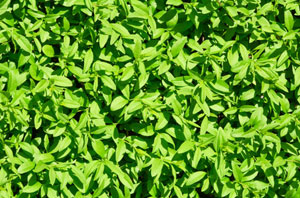
Privet hedging can provide a thick garden boundary, which is one reason it's such a popular choice in gardens. Maintaining a tidy appearance on a mature privet hedge may involve giving it several trims throughout the year, because the plant is well suited to routine cutting & can produce a considerable amount of growth during the primary growing season. For homeowners in Woodmansey, regularly trimming a privet hedge can help control its height & width while promoting dense growth across its surface. Even so, neglected privet hedges could become too thick and woody in some places, so revitalising an overgrown hedge may require more substantial work than ordinary trimming.
Hedge Maintenance Tasks and Services

Woodmansey gardeners and hedge specialists can normally help you with hedge overhang cutback, garden clearances, hedge cutting advice, tree cutting, careful trimming and maintenance of established yew hedges, clearing hedge growth around sheds and garden offices, professional hedge cutting around established plants & flowerbeds, hedge makeovers, professional hedge shaping for formal & decorative gardens, scheduled hedge trimming to keep a neat appearance, garden hedge trimming in Woodmansey, hedge re-planting in Woodmansey, ficus hedge cutting, regular hedge maintenance visits throughout the growing season, cutting back branches that obstruct gates and pathways in Woodmansey, ivy removal, wood chipping, the professional trimming of box hedges in Woodmansey, tall hedge cutting, monthly hedge maintenance, cutting hedge growth away from fences & buildings, cutting back overhanging branches along public footpaths and other hedge related services in the Woodmansey, East Yorkshire area.
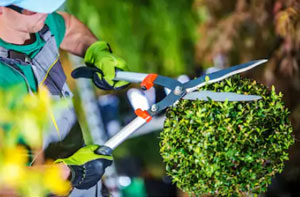 Hedge Care Woodmansey
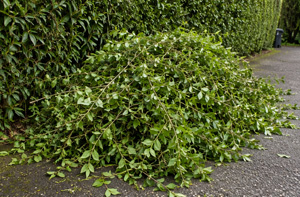 Hedge Cutting Woodmansey
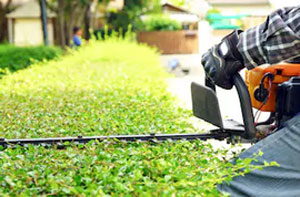 Hedge Trimming Woodmansey
Specialist Hedge Care Near Me
In places near to Woodmansey you can also find: Coniston hedge clipping, Leconfield hedge clipping, Dunswell hedge clipping, Skirlaugh hedge trimming, Leconfield hedge trimming, Coniston hedge trimming, Cherry Burton hedge cutting, Wawne hedge clipping, Etton hedge trimming, Wawne hedge pruning, Tickton hedge clipping, Cherry Burton hedge clipping, Kingswood hedge pruning, Dunswell hedge pruning, Wawne hedge trimming, Beverley hedge pruning hedge cutting and more.
More: Garden Hedge Cutting, Boundary Hedges, Hedge Pruning, Hedge Trimming, Hedge Clipping, Garden Clearance, Conifer Trimming, Garden Hedges, Hedge Removal, Privet Trimming, Hedge Tidying, Hedge Renovation, Hedge Cutting, Hedge Upkeep, Domestic Hedges, Shrub Pruning, Hedge Renovation, Hedge Management, Top Trimming, Boundary Hedges.
Hedge cutting in HU17 area, (dialling code 01482).
TOP - Hedge Cutting Woodmansey
Hedge Maintenance Woodmansey, Hedge Trimming Near Me, Hedge Cutting Services, Tree Surgery Woodmansey, Hedge Cutting Woodmansey, Hedge Clipping Woodmansey, Hedge Trimming Woodmansey, Topiary, Hedge Planting, Hedge Cutting Near Me, Hedge Removal Woodmansey, Hedge Cutting Contractors Woodmansey