
Hedge Cutting Ware Hertfordshire (SG11): Whether they're being used to screen off different areas, soften the edges of a property or simply add some shape to an outdoor space, hedges remain a regular sight in gardens all across Ware. Even so, most hedges need trimming every once in a while if they are to remain at a practical overall size. How regularly a hedge needs clipping can differ according to the kind of hedge, how speedily it grows, in addition to the look that you wish to achieve.

The amount of trimming a hedge requires can vary quite a bit, ranging from a relatively minor cut to a substantial reduction in width or height. The well-defined appearance of a formal hedge generally takes more frequent trimming to preserve, whereas a hedge with a more natural appearance can be allowed to develop a less structured shape. Quick-growing types of hedge can also need several sessions during the main growing season, whereas slower-growing hedges may only require periodic attention.
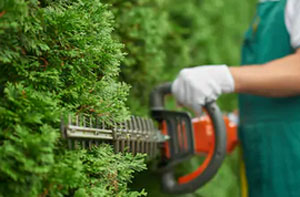
When Do Hedges Need Cutting?
The best time when hedges in Ware should be trimmed will depend partly on the variety involved, as each type can have its own growing pattern & requirements. A gentle trim and a substantial reduction of mature growth are considerably different jobs, so the extent of work being carried out should also be considered. Before beginning any substantial work, it's a good idea to check whether that time of year is suitable for the type of hedge involved.
The wildlife that is living in & around a hedge must also be taken into account, particularly during the bird nesting season. Any hedge that is going to be cut should first be thoroughly checked for nests which are occupied, with work delayed whenever there is a risk of interfering with them. If you're unsure if anything could be sheltering or nesting in the hedge, it would be sensible to postpone the work until a more appropriate time.
When to Cut and Trim Your Hedges
All hedges do not respond to being trimmed in the same manner, with certain varieties often responding differently to others. The amount of cutting back a hedge can cope with can depend on the type, with some able to produce new growth from old wood after reasonably heavy cutting back, while others may have difficulty recovering if the cutting goes beyond the green outer foliage. How the work should be approached can therefore depend to a large extent according to the species of hedge involved.
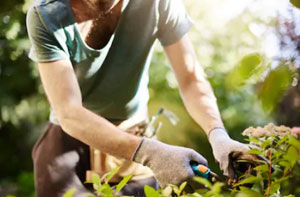
Yet another point to think about is the finish you are aiming for. The clean lines of a carefully shaped hedge will typically call for more regular shaping to preserve that, while a more informal hedge can often be left to keep a more natural character. Any excess growth should be brought under control without taking too much off, as the hedge still needs to be able to properly handle the amount of cutting involved.
When you're cutting a long run, or one which is growing on irregular ground, achieving a straight & even shape can be more challenging than it initially looks. Rather than simply cutting along the existing profile and potentially making more noticeable uneven areas, dips & bumps, taking a bit of time to consider the finished shape can help give you a more even finished result.
Rather than allowing the sides to get wider towards the top, a formal hedge is usually maintained with a gentle taper, making it a bit narrower at the top. That gives the hedge a more well-proportioned look & can enable more light to filter through to the foliage lower down. String lines, measuring poles and other simple guides may be used where a particularly uniform shape is required. For property owners in the Ware area, bringing in a competent hedge cutting specialist can be an excellent option where a clean and even finish is the main objective.
Taking Access Into Account
Having good access to the whole hedge from flat, even ground can make the cutting relatively straightforward, while difficult access can mean that other jobs are a lot more challenging. Hedges located alongside fences, walls, sheds, conservatories or steep banks can be difficult to get to, while very wide or tall ones may be very difficult to cut properly from one particular position.
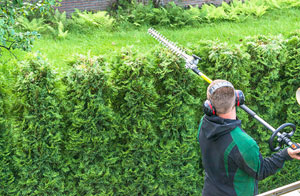
How the hedge can be safely reached should be planned before any cutting gets underway, rather than dealing with access once the trimming is underway. Obstacles, changes in ground level & other potential hazards around the hedge should also be identified beforehand, especially when they could make positioning equipment more tricky. Greater care may be necessary when working on a hedge which borders a road, pavement or neighbouring property, particularly to keep the surrounding area safe and keep disruption to a minimum.
Some hedge cutting jobs become much more demanding because of the height of the hedge, and in these situations a competent hedge cutting specialist from Ware can deal with the more awkward aspects of the cutting.
There can be a lot more equipment involved in cutting an overgrown or established hedge than many householders might imagine, with the hedge trimmer itself being just one part of the equipment that can come into play. More selective cutting can often be handled with secateurs, but thicker stems & woody branches may need the use of a chainsaw or pole saw. When the height or position of a hedge makes access more awkward, suitable step-ladders, platforms or other access equipment might be needed to safely reach the working area, and laying ground sheets below can save a considerable amount of time when the clippings are cleared up afterwards. The work does not necessarily stop once the trimming has been done, as larger jobs can leave a considerable amount of material to clear away; shredders or chippers may be used for the larger branches, followed by rakes and leaf blowers to tidy the area.
Equipment and Tools for Hedge Trimming
What equipment is needed for hedge maintenance will largely depend on the condition & size of the hedge you are dealing with. Whilst powered hedge clippers can speed up the trimming when there are larger areas of softer growth to trim, hand shears can be more useful for small areas, finishing touches & careful shaping. For higher hedges, long-reach equipment can make the upper growth easier to reach, although the person using it still needs a safe & stable working position.
Heavier stems & older branches may call for pruning saws, loppers or similar cutting equipment rather than a regular hedge trimmer. Attempting to force the wrong equipment through substantial growth can lead to a uneven finish & may damage the machinery. Matching the tool to the particular type of cutting involved can make the cutting faster and more manageable, while also helping to create a better finish overall.

Dealing With Large and Difficult Hedges in Ware
There will be a substantial differance between giving a hedge its regular seasonal cut and cutting back one that has grown well beyond its original size, so the latter may call for a different method. How much growth can safely be taken off should be determined before the work starts, together with the expected shape of the hedge following the cutting. Cutting a considerable amount from the sides of certain hedges can uncover old internal growth that may remain bare for a considerable time if you are not careful.
Hedges that have been allowed to develop for many years can become extremely large, with some branches becoming surprisingly heavy in the process. Reducing these parts in a careful way is usually better than letting heavy sections drop onto plants, fencing or other features below. In preference to regarding the work as a routine maintenance job, a hedge that needs to be reduced back to its desired height & width may benefit from a more carefully managed reduction.
Dealing With the Resulting Waste

The volume of green waste that is generated by even a modest hedge can be more than expected once all the trimmings have been brought together. The waste left behind after a larger hedge reduction can include anything from long shoots & leafy material through to thicker branches, and all of this will need to be removed before the area can be fully tidied.
How you handle this material will be influenced by the disposal options that are accessible and the amount that is generated. How the clippings are handled can depend partly on the quantity involved, with some Ware property owners able to compost suitable material or deal with smaller amounts themselves, while larger volumes might need to be chipped, transported or otherwise removed. Instead of leaving it until the trimming is in progress to figure out how the waste will be dealt with, it can be better to consider this beforehand, particularly where there is little room for carrying bags or moving machinery.
Regular Cutting Makes a Difference
Rather than letting the hedge to grow well beyond its required height & width again, regular cutting can help keep it at a sensible size and make the following cut much easier. The fresh shoots that grow beyond the preferred profile can become the main focus of following trimming, avoiding the need to continually cut away large volumes of established growth.
Not every type of hedge will need to have this maintenance done at the same time intervals, so how often it's needed can be different. A variety of things can determine when the hedge will next require trimming, from its type & rate of growth to the weather & the level of neatness wanted. How quickly a hedge starts growing again after being trimmed can provide a practical indication as to how frequently it's likely to need cutting in the future.
For householders in Ware, keeping hedges maintained can sometimes mean using a gardener rather than trying to keep on top of all the work themselves.
Professional Hedge Cutting Services in the Ware Area
Routine maintenance might be a job that some Ware homeowners are happy taking care of themselves when the hedge is modest in size and simple to get to. Bigger hedges, those with challenging access, heavy branches and jobs that require an accurate finish can be alot more challenging, however, especially when more specialised tools is needed.
Exactly how the task should be tackled is something that a competent hedge cutting contractor from Ware will decide after taking a look at the hedge and factoring in its species, size, overall condition, location & the finish that you are hoping to end up with. When there are several different hedge species to maintain, the same method or maintenance routine might not be right for every one, therefore each hedge should be assessed separately.
How much volume needs to be taken from the top is only one part of considering hedge cutting in Ware, and it is also wise to consider the hedge as a whole before working out what work is needed. Its species, current shape, ease of access, surroundings and expected future growth will all play a part in determining how the work should be tackled. Rather than simply reducing a hedge to the required size, it's worth using a sensible course of action that keeps its growth under control while still retaining the character that makes it a valuable part of the garden.
Bringing in an Experienced Hedge Cutter
Rather than attempting to tackle the hedge cutting themselves, homeowners in Ware who would rather leave this kind of work to someone else, or who are unable to do it themselves, can bring in an experienced hedge cutting specialist who can deal with the hedge from start to finish. They can look at the species & condition of the hedge, work out the most suitable way to cut it and deal with problems such as awkward access, heavier growth & removing the waste. For home and business owners with several hedges that need trimming, getting someone in to take care of the work can be a useful option, while also making it easier to maintain the required height, shape or finish.
Nearby:Garden maintenance services are available in Ware and also in: Rush Green, Bramfield, Bengeo, Stanstead Abbotts, Amwell Hill, Chapmore End, Hertford Heath, Great Amwell, Wareside, Little Amwell, Thundridge, Hunsdon, Hertford, Wadesmill, Easnye, High Cross, and in these postcodes SG12 0RB, SG12 0QE, SG11 1WX, SG12 0EA, SG12 4BE, SG12 0DB, SG12 0BU, SG11 2BD, SG12 0EN, SG12 0AN. Local Ware gardeners will likely have the postcode SG11 and the dialling code 01920. Checking this out can confirm that you are accessing locally based gardeners. Ware home and business owners can utilise these and various other garden related services. Simply click the "quote" banner to get specifics of gardening services in your area.
Dealing With Established Privet Hedges
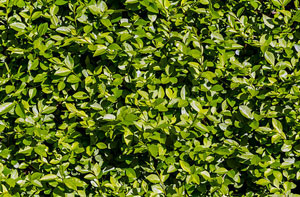
With its naturally dense growth and ability to cope well with regular trimming, privet can form an effective garden boundary with a clean, defined shape. The quantity of brand new growth that privet produces can make a considerable differance to how often it needs to be trimmed, with mature hedges sometimes requiring multiple visits during the growing season to remain looking neat & well maintained. Besides keeping the hedge within its required dimensions, regular cutting can help encourage privet to produce the sort of thick growth that gives a hedge its dense, well-covered appearance. Once privet has been left without routine attention for a considerable length of time, thicker stems & woody growth can become established, making it more likely that heavier cutting will be required to bring it back under control.
Pest & Diseases
Diseases and pests can cause all sorts of issues for a hedge, from making it look a bit untidy, to affecting how well it grows. The signs are not always easy to spot at first, but discoloured leaves, bare patches, dying shoots, unusual markings or generally weak growth can all point towards a possible issue with the hedge. Aphids, caterpillars & scale insects are among the pests that can attack the stems or leaves, while fungal infections may lead to spotting, dieback and other damage. Knowing whether the hedge is affected by a pest, disease or some other problem can make it easier to decide which growth needs removing and how best to deal with it. Trimming can sometimes make a difference, but the pest, disease or growing conditions behind the problem might also need to be addressed.
Common Hedge Maintenance Tasks & Services

Ware gardeners and hedge specialists can usually help you with hedge tidying, the correct trimming of cedar hedges, tree stump removal, hedge and tree removal, tree shaping, conifer hedge cutting, hedge waste removal, wisteria pruning in Ware, home hedge cutting, hedge re-planting in Ware, roadside hedge trimming, yew hedge clipping, hedge reductions, wood chipping, hedge shaping, estimates for hedge cutting in Ware, hedge relocation & transplanting in Ware, hedge mulching & weed control, box hedge planting in Ware, boundary hedge cutting, hedge makeovers, commercial hedge cutting, hedge height reduction in Ware, lilac hedge cutting, laurel hedge cutting and other hedge related services in Ware, Hertfordshire. Listed are just a few of the activities that are undertaken local gardeners. Ware professionals will be happy to tell you about their whole range of services.
 FAQ: Here are a selection of the most frequently asked questions about hedge care: Can a gardener cut large or established hedges? How often does a laurel hedge need trimming? Is it better to reduce an overgrown hedge gradually? When should you avoid cutting a hedge? How do you keep the top of a hedge straight? What equipment is normally used for hedge cutting? How often should a privet hedge be cut? Who is responsible for cutting a boundary hedge?
Searching For a Gardener Online
A quick search will pull up endless gardening services, but finding a reliable one needs a little effort. Kick off your search with trusted trade directories that give you access to customer feedback, service details, and reliability scores. Don't underestimate the power of local community groups on social media - they're a great way to find reliable tradespeople who have been recommended by people you trust.

Getting names is just the first step - now it's time to check credentials, reviews, and experience. A good gardener will be clear about their prices, offer a range of services to fit your needs, and be easy to get in touch with. A website filled with high-quality job photos, testimonials, and a full service breakdown can help you pick the right gardener.
Don't forget to have a quick chat with the gardener before booking to go over your garden needs. A professional gardener will always be transparent about their approach, happy to answer questions, and able to provide information on their availability. Finding a trustworthy gardener who can handle one-off or regular maintenance tasks will give you peace of mind and a beautiful garden.
Hedge Cutting Services Ware
- Hedge Height Reduction Ware
- Hedge Pest Control in Ware
- Hedge Reduction in Ware
- Hedge Clipping in Ware
- Shrub Pruning in Ware
- Hedge Maintenance in Ware
- Tree Pruning in Ware
- Hedge Care in Ware
- Hedge Tidying in Ware
- Hedge Removal in Ware
- Hedge Spraying in Ware
- Hedge Planting in Ware
- Hedge Shaping in Ware
- Hedge Pruning in Ware
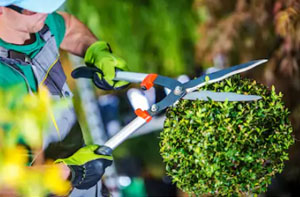 Hedge Care Ware
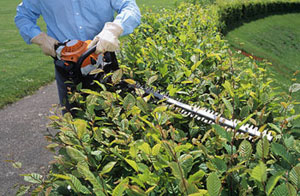 Hedge Cutting Ware
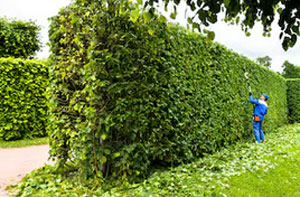 Hedge Trimming Ware
Specialist Hedge Care Near Me
In places near to Ware you will also find: Stanstead Abbotts hedge cutting services, High Cross hedge cutting services, Wadesmill hedge cutting services, Little Amwell hedge cutting services, Great Amwell hedge cutting services, Bengeo hedge cutting services, Thundridge hedge cutting services, Hertford Heath hedge cutting services, Amwell Hill hedge cutting services, Easnye hedge cutting services, Rush Green hedge cutting services, Hunsdon hedge cutting services, Wareside hedge cutting services, Hertford hedge cutting services, Chapmore End hedge cutting services, Bramfield hedge cutting and more. Most of these villages and towns are covered by local hedge care specialists. Ware homeowners can get hedge cutting quotes by clicking here.
Professional hedge cutting in SG11 area, and dialling code 01920.
Hedge Cutting Contractors Ware - Hedge Cutting Near Me - Tree Surgery Ware - Hedge Trimming Ware - Conifer Trimming - Hedge Cutting Services - Hedge Cutting Ware - Hedge Removal Ware - Hedge Planting