
Hedge Cutting Lowestoft Suffolk (NR32): Garden hedges are a common feature in gardens right across Lowestoft, where they can be used to screen off different parts, soften the edges of a property or simply bring some definition to an outside space. However, the majority of hedges need to be trimmed every now and again if they are going to stay at a sensible size and shape. The type of hedge, its rate of growth & the style of finish that you want to end up with will all help to determine how frequently it needs cutting.

Hedge cutting can cover anything from a relatively light trim to a major reduction in width or height. Carefully shaped hedges with neat, straight sides & well-defined tops will normally need more ongoing cutting than hedges with a more natural appearance, which can be allowed to retain a less structured form. The amount of attention needed throughout the growing season can vary considerably according to how fast the hedge grows, as quick-growing varieties may call for several cuts, while less vigorous ones might only need periodic trimming.
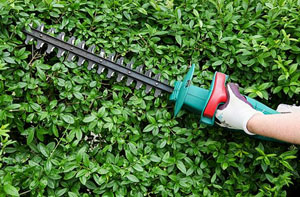
The Right Time to Cut Your Hedges
The best time for clipping a hedge in Lowestoft can change from one type to another, since each can have its own growth habits and needs. How much work is being done also makes a difference, as there is a big difference between a light tidy-up & taking off a considerable amount of older growth. If any substantial hedge work is required, it's sensible considering whether or not the season is suitable for the specific species of hedge before starting the job.
Particular care should also be given to wildlife during the main bird nesting period. It is necessary to thoroughly check a hedge before cutting it, making certain that any occupied nests are not interfered with. Where there's any question about what could be sheltering or nesting in the hedge, postponing the work until a more suitable time may be the best approach.
The Best Time of Year for Hedge Cutting
How well a hedge responds to being cut back will vary according to the species, because different hedges can cope with varying degrees of reduction. While certain hedge types can cope well with relatively severe trimming, even producing new growth from old wood, others may have difficulty recovering if cut back beyond the green outer foliage. For this reason, identifying the type of hedge involved can help you to establish the best way to tackle the trimming.
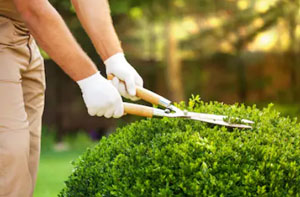
How you want the hedge to appear is yet another relevant point to consider. The clean shape of a more formal hedge will typically demand more regular trimming to retain that, while a mixed hedge can sometimes be left to keep a looser, more natural shape. Whether the hedge is being kept neat & formal, the general aim should be to manage excess growth without cutting away more than it can safely cope with.
It can often be more difficult than you might first assume to get a hedge straight and even, especially when working on a lengthy section or a hedge which is growing on sloping ground. A bit of preparation before beginning the trimming can help lower the chances of accentuating uneven areas, dips and bumps that could otherwise become more apparent if you simply cut along the hedge's existing profile.
Instead of letting the sides to flare outwards, a formal hedge is generally shaped with a slight inward taper, making it a little bit narrower at the top. Shaping the hedge in this way helps to give the hedge a more even look & can enable more light to filter through to the growth lower down. Where a strictly precise finish is the aim, measuring poles, string lines and other simple guides can be helpful to guide the cutting. This is of course one of the reasons why property owners in the Lowestoft area may choose to have formal hedges trimmed by somebody who has practical experience of achieving a sharp, clean finish.
Access is an Important Consideration
Some hedge cutting tasks are relatively straightforward because the entire hedge can be accessed easily from level ground, but others can be alot more awkward. Where a hedge grows alongside walls, fences, sheds, conservatories or steep banks, getting to it can be difficult, particularly if it is also very wide, making it sometimes impossible to work on properly from one particular position.
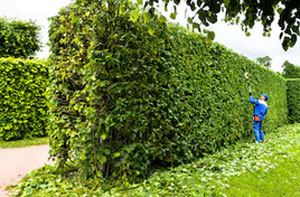
Taking some time beforehand to plan suitable access to the hedge can avoid the need to figure things out as you go once the job is already being done. Before the cutting gets underway, the ground surrounding the hedge should be checked for anything that might make access more awkward, including obstacles & differences in level that could affect the movement of equipment. If a hedge runs alongside a pavement, roadway or neighbouring property, extra care will be needed to make sure the surrounding area secure and prevent unnecessary inconvenience.
When a hedge is especially large, hard to reach or has heavy growth to deal with, getting in a competent hedge cutting contractor from Lowestoft can mean the work is carried out using suitable equipment.
The tools and equipment used on a bigger hedge cutting job can extend well beyond the hedge trimmer itself, with additional equipment often needed. Every part of a hedge can't necessarily be handled using the same equipment, because secateurs may be suitable for individual shoots & lighter growth, whereas more substantial branches may require something more substantial, such as a chainsaw or pole saw. Getting into a safe position to cut the hedge is only part of the job, since suitable access equipment might be needed for higher or harder-to-reach areas, while sheets laid underneath can help contain the smaller cuttings as they fall. The work does not necessarily stop when the cutting has been done, as bigger jobs can leave plenty of material to clear away; shredders or chippers may be used for the bulkier branches, followed by rakes and leaf blowers to leave the surrounding area tidy.
Tools & Equipment for Trimming Hedges
The equipment that is needed for hedge cutting will be influenced by the condition & size of the hedge. Different tools can be better suited for different parts of the cutting, with manual hedge shears suited to small areas & finishing touches, while powered hedge cutters can speed up the cutting of more substantial areas of less woody growth. For particularly tall hedges, long-reach tools can provide a useful way of reaching higher sections, but the equipment still needs to be used from a safe & stable position.
For heavier stems and established branches, it may be necessary to use pruning saws, loppers or other cutting tools instead of relying on a regular hedge trimmer. Where the material being cut is too heavy for the tools being used, pressing on regardless could produce a poor finish and damage both the hedge and the equipment. Matching the equipment to the particular type of cutting involved can make the cutting faster and more manageable, while also helping to create a better finish overall.

Coping With Large and Difficult Hedges in Lowestoft
A hedge that has become seriously overgrown might need to be handled differently from one that's simply having its regular seasonal tidy-up. Before cutting starts, it's sensible to consider how much material can reasonably be cut back & what the hedge is likely to look like afterwards. If a considerable amount is taken off from the sides of some hedges, it can reveal older growth further inside that might take a long time to become covered by new growth.
Very large hedges can also contain surprisingly weighty branches, especially where they have been allowed to mature for many years. Where heavy pieces need to be removed, doing so in a careful way can help minimise the risk of them dropping onto fences, plants or other features underneath. What might normally be regarded as an ordinary cutting job may instead need to become a planned reduction when the hedge has to be reduced back to its intended size.
Disposing of Hedge Cuttings

Once the clippings from a reasonably small hedge have been gathered together, the quantity of cut material can be surprisingly large. More extensive cutting jobs can leave a mixture of fine leafy material, long shoots & thicker branches, which will all need to be picked up before the surrounding area can be thoroughly cleared.
How you deal with this cut material will depend on the facilities that are open to you and the volume that's left over. How the cuttings are handled can depend partly on the volume involved, with some Lowestoft householders able to handle smaller amounts themselves or compost suitable material, while greater amounts may need to be dealt with using a more suitable form of removal. Rather than leaving it until the work is underway to work out how the cut material will be handled, it can be more sensible to make these arrangements beforehand, especially where the available space makes removing waste and moving equipment more awkward.
Controlling the Size of a Hedge
Future cutting visits can be much easier if, once your hedge has been reduced to the preferred dimensions, it's kept on a regular maintenance schedule. The fresh shoots that grow beyond the preferred profile can become the main target of future cutting, avoiding the need to constantly take off large amounts of established growth.
How often a hedge needs this trimming procedure can vary from one kind of hedge to another, rather than being identical in every instance. How soon another trim is required can be influenced by a variety of factors, including the hedge's rate of growth, its variety, the weather and how tidy it needs to be kept. Taking notice of how quickly the hedge puts on new growth after cutting can be a helpful way of working out the most practical maintenance schedule.
For homeowners in Lowestoft, keeping hedges maintained can sometimes mean bringing in a gardener rather than trying to keep on top of all the work themselves.
Professional Hedge Cutting in Lowestoft Area
Some residents in Lowestoft may be happy cutting more modestly sized hedges themselves, especially where the growth being cut can be comfortably reached. Where hedges are larger, access is challenging, or heavy branches need to be handled, the work can be alot more demanding, particularly if a precise finish is needed or specialist equipment has to be used.
Before deciding the best way to carry out the work, a competent hedge trimming contractor from Lowestoft will typically check over the hedge, considering its species, dimensions, condition, immediate surroundings and the result that you are hoping to finish up with. In cases where there are a number of hedges on the same property they won't always require the exact same type of maintenance, with each one perhaps needing a different clipping technique or maintenance routine.
Viewing the hedge in its entirety is important when you are looking at hedge cutting in Lowestoft, because the work will involve more than simply deciding how much needs to be taken off the top. Instead of regarding the hedge just in terms of the work that is currently needed, how the job is tackled should also consider its type, overall shape, ease of access, surrounding features and how it's likely to grow in the future. By using the appropriate cutting methods and taking a sensible plan of action, it's possible to keep a hedge to acceptable dimensions without taking away from the character that makes it a valuable feature of the garden.
Getting the Right Help With Your Hedge
For property owners in Lowestoft who are unable to do this kind of work, bringing in a reliable hedge cutting service can take care of the work for them. Having somebody with the necessary level of experience look at the hedge means the trimming can be carried out with its species, condition and any potential difficulties in mind, whether that happens to be difficult access, thicker growth, waste removal or a combination of these. Where several hedges need cutting, bringing in a reputable hedge cutting company to deal with the work can make the job easier to manage, especially where a particular finished appearance is required.
Nearby:Garden maintenance services are offered in Lowestoft and also in: Corton, St Olaves, Gisleham, Blundeston, Somerleyton, Hopton, Felixstowe, Lound, Camps Heath, Kirkley, Carlton Colville, Pakefield, Lowestoft End, Normanston, Mutford, Oulton Broad, Kessingland, and in these postcodes NR32 1QS, NR32 1RR, NR32 1HX, NR32 1PX, NR32 1NL, NR32 1BA, NR32 1HJ, NR32 1JT, NR32 1RT, NR32 1QR. Locally based Lowestoft gardeners will probably have the telephone dialling code 01502 and the postcode NR32. Checking this out can guarantee that you access locally based gardeners. Lowestoft homeowners are able to utilise these and numerous other related services. Click on the "quote" banner or form to get specifics of garden upkeep services in your area.
Common Hedge Maintenance Tasks and Services

Lowestoft gardeners and hedge specialists will likely help with the maintenance of hedges, hawthorn hedge cutting, hedge relocation & transplanting in Lowestoft, overgrown hedge cutting, flail hedge cutting, the removal of tree stumps in Lowestoft, hedge overhang cutback, hedge lowering in Lowestoft, agricultural hedge cutting, hornbeam hedge pruning, hedge stump grinding, help with removing a hedge, ficus hedge cutting and pruning, hedge design and planning in Lowestoft, cedar hedge planting, general upkeep services, hedge pest control, decorative hedge clipping in Lowestoft, tree shaping, prices for hedge cutting, hedge weed control & mulching, domestic hedge trimming, hedge shaping, hedge fertilisation & nutrient management, conifer hedge cutting and other hedge related services in Lowestoft, Suffolk. Listed are just an example of the duties that are carried out local gardeners. Lowestoft specialists will let you know their whole range of services.
Browsing the Internet
Locating a reliable local gardener is just a few clicks away - but it's worth taking the time to research your options. Use well-established trade directories that give you access to ratings, service breakdowns, and customer testimonials. If you're looking for a trustworthy tradesperson, try reaching out to local community groups on social media - you're bound to get some good recommendations.

When you've got a handful of names, it's worth checking out if they actually meet your needs. You'll want to find a gardener who's upfront about their pricing, has the services you're after, and can be contacted easily. A professional gardener will usually have a website showcasing their work - look for photos, testimonials, and a list of services.
Running through the job with them first ensures they know what you need and you know what it'll cost. Any professional worth their salt will discuss your requirements, offer tailored advice, and give you an idea of timing. A one-off garden tidy or regular maintenance - whatever you need, finding the right gardener will ensure your outdoor space stays in top condition.
Hedge Cutting Services Lowestoft
- Shrub Pruning in Lowestoft
- Hedge Care in Lowestoft
- Hedge Shaping in Lowestoft
- Hedge Clipping in Lowestoft
- Hedge Maintenance in Lowestoft
- Hedge Removal in Lowestoft
- Hedge Pest Control in Lowestoft
- Hedge Height Reduction Lowestoft
- Hedge Planting in Lowestoft
- Hedge Trimming in Lowestoft
- Hedge Cutting in Lowestoft
- Hedge Reduction in Lowestoft
- Hedge Makeovers in Lowestoft
- Tree Pruning in Lowestoft
 Hedge Care Lowestoft
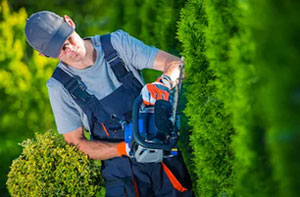 Hedge Cutting Lowestoft
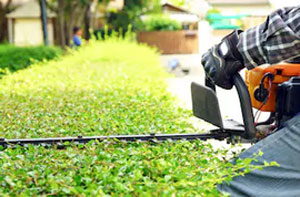 Hedge Trimming Lowestoft
Professional Hedge Trimming Near Me
In places near to Lowestoft you will also find: Carlton Colville hedge cutting services, Gisleham hedge cutting services, Normanston hedge cutting services, Oulton Broad hedge cutting services, Lound hedge cutting services, Corton hedge cutting services, Felixstowe hedge cutting services, Lowestoft End hedge cutting services, Kirkley hedge cutting services, Hopton hedge cutting services, Mutford hedge cutting services, Somerleyton hedge cutting services, Blundeston hedge cutting services, Pakefield hedge cutting services, Camps Heath hedge cutting services, St Olaves hedge cutting services, Kessingland hedge cutting and more. All of these areas are served by local hedge specialists. Lowestoft property owners can get estimates by going here.
More: Hedge Removal, Width Reduction, Domestic Hedges, Boundary Maintenance, Garden Maintenance, Tree Pruning, Boundary Hedges, Side Trimming, Overgrown Hedges, Boundary Maintenance, Shrub Trimming, Hedge Restoration, Hedge Thinning, Hedge Trimming, Hedge Shaping, Formal Shaping, Privacy Hedges, Tree Trimming, Conifer Trimming, Vegetation Management.
Professional hedge trimming in the NR32 area, telephone code 01502.
Hedge Maintenance Lowestoft - Hedge Trimming Lowestoft - Hedge Cutting Near Me - Hedge Shaping - Tree Surgery Lowestoft - Hedge Removal Lowestoft - Hedge Cutting Contractors Lowestoft - Hedge Cutting Lowestoft - Hedge Cutting Services