
Hedge Cutting Toddington Bedfordshire (LU5) Area: You will often see hedges in gardens all across Toddington, where they can be used to separate different sections, soften the edges of a property and add definition to an outside space. Without periodic trimming, the majority of hedges will gradually grow beyond a sensible size, so keeping their growth in check is needed to keep their dimensions within reasonable limits. The type of hedge, how speedily it grows and the type of finish you would like to end up with will all help to determine how frequently it needs cutting.

Cutting a hedge can involve anything from a relatively minor trim to a significant reduction in the height or width of the hedge. Carefully shaped hedges with clean lines and neatly defined tops will generally need more ongoing attention than informal hedges, which can be allowed to retain a more relaxed form. Rapid-growing varieties can also call for several trims during the main growing season, whereas slower-growing hedges may only need infrequent trimming.
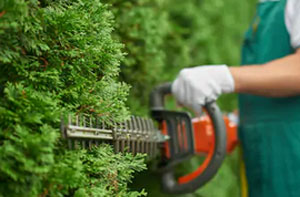
When Should Hedges Be Cut?
Instead of there being a single time of the year for trimming a hedge in Toddington, the best timing will be influenced by the variety, its growing habits & its particular requirements. How much work is being done also makes a difference, since there is a considerable differance between a minor trim and removing a large amount of older growth. Before commencing any substantial work, it is a good idea to consider the specific hedge involved & whether or not that actual time of year is right for trimming it.
It is also important to take wildlife into account, especially at times when birds are nesting. Checking the hedge out thoroughly for nests that are active should be done before any cutting begins, as they must be left undisturbed. Where it is uncertain if anything is sheltering or nesting inside the hedge, delaying the work until a more appropriate time would be the wisest course of action.
The Best Time of Year for Hedge Cutting
Not every hedge reacts to trimming in the same way, with some varieties often reacting in different ways to others. While certain hedge varieties can cope well with reasonably heavy trimming, even putting out new growth from old wood, others may not recover as readily if cut back beyond the green growth on the outside. Before deciding how best to approach the trimming, it is therefore a good idea to understand what species of hedge you are dealing with.
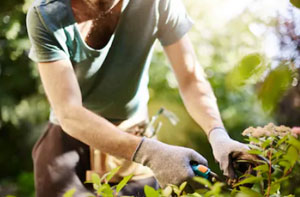
Another factor is the look that you are hoping for. The clean shape of a formal hedge will normally call for more precise attention to preserve that, while a more informal hedge can sometimes be allowed to develop a looser, more natural shape. Rather than simply cutting away as much excessive growth as you possibly can, the aim should be to control that growth without exceeding what the hedge can safely cope with.
Getting a hedge straight and evenly shaped is often more challenging than it might at first appear, particularly when you're dealing with a lengthy section or one that is growing on sloping ground. Simply following the hedge's existing profile can gradually make uneven areas, dips & bumps more noticeable, which is why a little thought beforehand can make a significant difference to the end result.
The sides of many formal hedges are shaped somewhat narrower towards the top, rather than being left to widen towards the top. More light is able to reach the lower parts of the hedge when the sides are gently brought in towards the top, while the hedge can also have a more uniform look. If the objective is to produce a strictly even shape, simple guides such as string lines & measuring poles can help guide the cutting. This is of course one of the reasons why property owners in Toddington might elect to have formal hedges cut by somebody with experience of achieving a clean and even finish.
How Access Affects Hedge Cutting
The cutting is often far more straightforward when the whole hedge can be accessed from level ground, however this isn't always the case, and some situations can be alot more tricky. Where a hedge grows alongside walls, fences, sheds, conservatories or steep banks, working on it can be difficult, particularly if it is also rather wide, making it hard to trim properly from a single position.
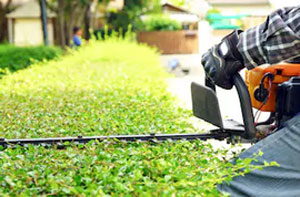
Rather than leaving it until the cutting has begun to sort out suitable access, this should be planned beforehand. The area around a hedge should also be checked for obstacles, changes in ground level and anything which could make positioning equipment more difficult. Hedges next to a pavement, roadway or neighbouring property can call for a little more attention, as the nearby areas need to be kept safe without causing unnecessary inconvenience.
Some hedge cutting jobs become much more demanding because of the amount of growth, and in these situations a reputable hedge cutting specialist from the Toddington area can deal with the more awkward aspects of the cutting.
Once hedge cutting moves beyond basic maintenance cutting, the equipment required can swiftly become more extensive than simply relying on a conventional hedge trimmer. The tools which are used can change as the cutting gets more demanding, with secateurs suited to smaller, more selective cuts and pole saws or chainsaws coming into their own when more substantial woody growth has to be cut back. When the height or position of a hedge makes access more challenging, ladders, platforms or other equipment may be required to reach the working area, and laying ground sheets below can save quite a bit of time when the clippings are gathered afterwards. On larger jobs, a chipper or shredder may be needed to deal with branches & reduce the volume of waste, with leaf blowers & rakes used for the final clear-up.
Tools and Equipment for Trimming Hedges
The kind of equipment that's needed for hedge trimming will be influenced by the size and condition of the hedge. Different types of equipment can be suitable for different parts of the job, with hand-held shears useful for smaller sections and detailed shaping, while powered hedge cutters can speed up the trimming of larger areas of softer growth. Although long-reach equipment can help with reaching the higher growth of a higher hedge, it must still be used from a suitable working position.
For more substantial stems & well-established branches, it may be more appropriate to use more suitable cutting equipment such as pruning saws or loppers instead of relying on a standard hedge trimmer. Trying to use unsuitable equipment on dense growth can result in an untidy finish and, if the tools are forced through growth they're not designed to handle, this could damage both the hedge and the equipment. Using equipment that are appropriate to each part of the task can speed things up, while also giving better handling & a neater finish.

Dealing With Large and Awkward Hedges in Toddington
There is a significant difference between giving a hedge its usual seasonal trim and dealing with one that has grown far beyond its original size, so the latter may need a different approach. How much material can sensibly be cut back should be considered before the cutting starts, together with the probable shape of the hedge following the cutting. Rather than removing too much from the sides of particular hedges in one bash, the amount cut back needs to be carefully considered, otherwise older growth further inside could be exposed and remain visible for quite some time.
Hedges that have been allowed to grow for a considerable number of years can become especially large, with some branches becoming surprisingly substantial in the process. Where heavy branches need to be removed, doing so in a careful manner can help minimise the risk of them falling onto plants, fencing or other features lower down. What might normally be regarded as a normal cutting job may instead need to become a considered reduction when the hedge has to be reduced back to its intended height & width.
Once the Hedge Has Been Cut

Once the trimmings from a fairly modest hedge have been gathered together, the quantity of green waste can be quite considerable. Bigger jobs can result in a mishmash of leafy material, longer shoots & heavier branches, which will all need to be picked up before the immediate area can be thoroughly cleaned up.
The quantity of material involved, together with the disposal facilities available, will influence what happens to it. Some householders in Toddington may be able to compost suitable clippings or deal with smaller quantities themselves, while more substantial amounts might need to be processed and removed. Instead of leaving it until the work is underway to decide how the waste will be handled, it can be worthwhile to sort this out beforehand, especially where bags, branches or machinery need to be moved through restricted access.
Managing the Size of a Hedge
After your hedge has been cut to the desired dimensions, regular trimming can help keep it at around that size, making later visits alot simpler. Large amounts of established growth should not need to be cut back constantly if the hedge is kept properly maintained, as subsequent cuts can instead concentrate on the fresh shoots poking out beyond the preferred shape.
The frequency with which this work needs to be undertaken doesn't have to be exactly the same for each and every type of hedge. The rate of growth, the kind of hedge, the weather and the level of tidiness that's required can all make a difference to when another trimming is necessary. How rapidly a hedge puts on fresh growth after trimming can provide a helpful indication as to how often it's likely to need cutting in the future.
For property owners in Toddington, there may be times when it's more convenient to get in a hedge cutting specialist to take care of the work, rather than trying to manage it all themselves.
Professional Hedge Trimming Services in and Around Toddington
General trimming might be a task that some Toddington homeowners are comfortable undertaking themselves when the hedge is fairly small & straightforward to reach. When more specialised tools are needed, particularly with bigger hedges, difficult access, heavy branches or work requiring an accurate finish, the cutting can become considerably more demanding.
A reliable hedge maintenance company from Toddington will assess the hedge before deciding how best to go about the task, taking into account its dimensions, species, condition & surroundings, along with the result that you're hoping to achieve. In cases where there are several hedges on the same site they won't automatically require the exact same approach, with each one possibly needing a different trimming approach or trimming routine.
Instead of concentrating purely on how much needs to be taken from the top, anyone who is looking at hedge clipping in Toddington should consider the hedge in its entirety and think about its overall condition. How the cutting should be approached will depend on a variety of factors, including the hedge's type, current shape, how straightforward it is to get to, the area around it and how quickly it's likely to develop in the future. By using the most suitable cutting techniques & taking a practical course of action, it is possible to keep a hedge to manageable dimensions without taking away from the character that makes it an important feature of the garden.
Finding the Right Help for Your Hedge
For Toddington property owners who cannot do their own hedge trimming, or simply would rather leave the job to someone else, using an experienced hedge cutting service can remove much of the uncertainty involved. By assessing the hedge before the cutting starts, they can get a better idea of what is involved & plan how best to carry out the job, including how to deal with awkward access, thicker growth & the cuttings. Where several hedges need trimming, having a competent hedge cutting company handle the work can make the job easier to manage, especially where the hedges need to be kept to a certain height or shape.
Nearby:Garden maintenance services are available in Toddington and also in nearby places like: Clipstone, Milton Bryan, Chalgrave, Upper Sundon, Potsgrove, Battlesden, Wingfield, Harlington, Hockliffe, Fancott, Westoning, Sharpenhoe, Lower Sundon, Barton-le-Clay, Chalton, Tebworth, Sundon, Tingrith, and in these postcodes LU5 6HB, LU5 6DQ, LU5 6DF, LU5 6DZ, LU5 6AS, LU5 6QE, LU5 6HQ, LU5 6DG, LU5 6EX. Local Toddington gardeners will probably have the postcode LU5 and the dialling code 01525.
Maintaining the Shape of a Privet Hedge
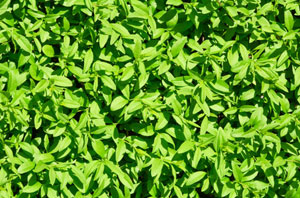
Many homeowners frequently go with privet as its bushy growth may create an effective boundary. Maintaining a tidy appearance on a mature privet hedge could involve giving it several trims throughout the year, because the plant tolerates routine cutting and can develop substantial growth during the primary growing season. People with privet hedges in Toddington can use routine cutting helps keep their hedges at the intended height & width while encouraging dense growth along the outside of the hedge. When a privet hedge is not maintained for some time, parts of it may become too dense and woody, and rejuvenating the hedge can take more than routine cutting.
Dealing With Hedge Pests and Diseases
From visible damage to disrupted growth, there are several ways in which diseases and pests can affect a garden hedge. The signs are not always immediately noticeable; rather, some things like dead shoots, bare patches, discoloured leaves, unusual markings and weak growth might indicate that something is wrong. Insect pests and fungal diseases could affect many different types of hedge, with caterpillars, scale insects and aphids among the pests to watch for, while fungal problems can result in leaf spots, dying shoots and further damage. Before cutting out the affected parts, it is essential to find out exactly what is causing the problem.
Leylandii Hedge Care and Common Problems
People looking for a garden hedge opt for Leylandii because it grows quickly and retains its thick foliage throughout the year, helping to provide privacy, wind protection and a clear dividing line between properties. If homeowners in Toddington are looking for a tall hedge fairly quickly, Leylandii may be worth considering, provided there's enough space for it to develop properly. Maintaining Leylandii hedging at the preferred height and width may mean trimming it several times, particularly when favourable growing conditions allow it to put on several feet of growth within a year. Letting a Leylandii hedge get out of hand may lead to a hedge that is too tall to manage easily, while cutting too deeply into the older growth can leave patches of old brown wood which may never fill in properly. Where gardens are fairly small, Leylandii could require regular cutting to stop its dense growth spreading too far or blocking light over neighbouring gardens. Keeping up with regular trimming may make ongoing maintenance easier, as keeping Leylandii at a manageable size is generally more straightforward than trying to recover one which has become seriously overgrown.
Popular Hedge Maintenance Tasks and Services

Toddington gardeners and hedge specialists can usually help you with tall hedge cutting, lowering mature conifer hedges to a manageable height, honeysuckle hedge cutting, cutting back overgrown hedges to improve garden light levels, wisteria pruning, clearing unwanted brambles & ivy from boundary hedges, hawthorn hedge cutting, hedge cutting advice, regular cutting and shaping of established privet hedges, processing & chipping suitable woody hedge cutting waste, seasonal cutting & shaping of ornamental box hedges, fancy hedge cutting and pruning, quotes for hedge cutting, lilac hedge pruning, hedge relocation & transplanting, professional hedge cutting around established plants & flowerbeds, hedge waste removal, maintaining hedge shapes around entrances & garden features, yew hedge planting, careful trimming of newly planted & established hedges, hedge thinning & crown reduction, general upkeep services and other hedge related services in Toddington, Bedfordshire.
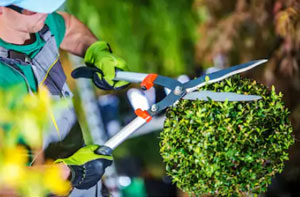 Hedge Care Toddington
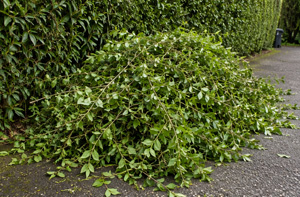 Hedge Cutting Toddington
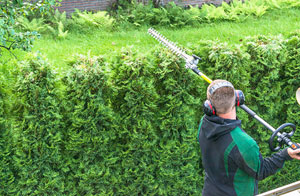 Hedge Trimming Toddington
Specialist Hedge Care Near Me
In places near Toddington you will also find: Tingrith hedge pruning, Sundon hedge cutting, Tebworth hedge pruning, Sundon hedge pruning, Barton-le-Clay hedge cutting, Barton-le-Clay hedge trimming, Chalgrave hedge trimming, Fancott hedge cutting, Westoning hedge clipping, Clipstone hedge clipping, Clipstone hedge cutting, Chalgrave hedge pruning, Westoning hedge pruning, Westoning hedge cutting, Milton Bryan hedge pruning, Lower Sundon hedge trimming, Sharpenhoe hedge pruning, Milton Bryan hedge clipping hedge cutting and more.
More: Laurel Trimming, Top Trimming, Crown Lifting, Hedge Clipping, Seasonal Pruning, Shrub Pruning, Hedge Lopping, Ornamental Hedges, Domestic Hedges, Seasonal Pruning, Commercial Hedges, Shrub Pruning, Seasonal Pruning, Tree Pruning, Conifer Reduction, Cut Hedges, Hedge Care Experts, Hedge Tidying, Hedge Clearance, Hedge Planting.
Hedge cutting in LU5 area, telephone code 01525.
TOP - Hedge Cutting Toddington
Hedge Cutting Contractors Toddington, Hedge Removal Toddington, Topiary, Hedge Trimming Toddington, Hedge Planting, Hedge Pruning, Tree Surgery Toddington, Hedge Cutting Near Me, Hedge Cutting Toddington, Hedge Maintenance Toddington, Hedge Trimming Near Me, Hedge Care Toddington