
Hedge Cutting Beeston Nottinghamshire (NG9): A common sight in gardens all around Beeston, hedges can be planted for a number of different reasons, including dividing different parts of the garden, softening the edges of a property and providing structure to an outdoor space. If most hedges are to be kept at a manageable overall size, they'll need to be cut periodically. How regularly a hedge needs clipping can vary according to the variety of hedge, how fast it grows, in addition to the look you wish to achieve.

Depending on the hedge, trimming may simply involve a relatively minor tidy-up, or it could require a much more major reduction in width or height. A formal hedge with even sides and a crisp, level top will often require more frequent trimming than one with a less formal appearance, where a less structured, more natural shape is preferred. Hedges that grow rapidly may benefit from several trims throughout the main growing season, while slower-growing varieties may only call for infrequent attention.
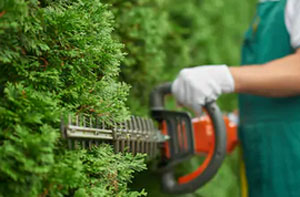
When is the Best Time to Cut Hedges?
The appropriate time for trimming a hedge in Beeston can change from one type to another, because each can have different growth characteristics & needs. A minor cut & a significant reduction of established growth are quite different types of work, so the amount of work being done should also be taken into account. Rather than commencing extensive work there & then, it is important first considering what species of hedge you are working with and whether that point of year is appropriate for cutting it.
Particular care should also be given to local wildlife during the nesting season. Checking the hedge out carefully for bird's nests that are active ought to be done before any trimming starts, as cutting must not disturb them. If there's any doubt about what might be living or nesting within the hedge, postponing the work until a more appropriate time may be the safest course of action.
The Best Time of Year for Hedge Cutting
The way a hedge reacts to cutting can differ considerably from one species to another. The amount of reduction a hedge can tolerate depends largely on the species, with some able to develop new growth from mature wood after relatively severe cutting back, whilst others may not recover particularly well if the cutting goes beyond the outer green growth. Before determining how best to approach the work, it's therefore worthwhile to identify what species of hedge you are working with.
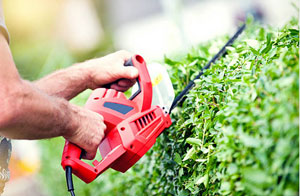
It is also worth taking into account how you would like the hedge to appear once the cutting has been completed. If a hedge is being grown in a neat & formal style, precise shaping will generally be necessary to retain its well-defined outline and balanced shape, while more natural-looking hedges can sometimes be left to retain more of their natural appearance. Whether the hedge is being kept in a more natural form, the overall goal should be to keep in check excess growth without cutting away more than it can readily tolerate.
It can often be more difficult than you might expect to get a hedge straight & evenly shaped, especially when cutting a long run or a hedge that's growing on irregular ground. Rather than just following the existing outline & potentially exaggerating existing bumps, dips and uneven areas, taking a little time to plan the work can help achieve a neater finished result.
When shaping a formal hedge, the sides are generally made a bit narrower near the top to produce a gentle taper, rather than allowing the hedge become wider near the top. As well as creating the hedge a more uniform look, this narrower shape towards the top can allow more light to get to the lower growth. For hedges where a even shape is particularly desirable, simple measuring aids such as string lines & poles can be used to guide the work. For householders in Beeston, bringing in a reputable hedge cutting specialist can be a sensible option when neat and uniform finish is the prime objective.
Access Around the Hedge Matters
The job is often far more straightforward when the whole hedge can be accessed from level ground, but this is not always possible, and some situations can be considerably more challenging. Nearby walls, fences, sheds, conservatories and steep banks can make a hedge harder to get to, while its height can also mean that trimming it properly from a single position is sometimes impossible.
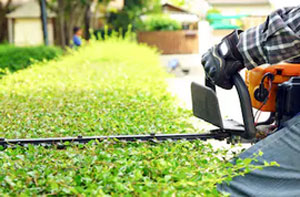
Taking a bit of time beforehand to consider suitable access to the hedge can avoid the need to improvise once the trimming is in progress. Obstacles, changes in ground level and other potential problems alongside the hedge should also be taken into account beforehand, particularly where they could make carrying equipment more awkward. Keeping the surrounding area safe can call for extra attention where a hedge is situated beside a road, pavement or neighbouring property, especially where the trimming could otherwise cause inconvenience.
Where the height, access or amount of growth makes hedge cutting more difficult, a competent hedge cutting specialist from Beeston should have the tools & experience to tackle the job properly, while also knowing how best to manage the work.
The equipment used on a larger hedge cutting job can go well beyond the hedge trimmer itself, with additional equipment often required. The tools that are used can change as the cutting gets more substantial, with secateurs suited to lighter and more selective cutting & pole saws or chainsaws coming into their own when heavier woody growth has to be removed. The equipment that is required is by no means limited to cutting tools, especially on higher or harder-to-reach hedges; suitable platforms or ladders can provide the necessary access, whilst ground sheets will help prevent smaller clippings from being scattered across the surrounding area. On larger jobs, a chipper or shredder might be brought in to process branches and reduce the volume of waste, with rakes and leaf blowers used for the final clearing up.
Tools & Equipment for Trimming Hedges
The type of equipment required for hedge cutting will depend mainly on the size and condition of the hedge involved. Hand-held shears can be a good choice for smaller sections, careful adjustments and precise shaping, while powered hedge clippers can make it considerably quicker to deal with more significant areas of less woody growth. For particularly tall hedges, long-reach equipment can make it easier to access the upper parts, although the person using it still needs a safe & stable working position.
Thicker stems and older branches may require pruning saws, loppers or similar cutting equipment rather than a regular hedge trimmer. A rough finish can easily occur when the wrong equipment is forced through heavy growth, and there is also a risk of causing damage to the equipment. The most suitable tool for each stage of the job can make a significant difference, helping the trimming to be carried out more easily, with a tidier result and better handling.

Tackling Large and Difficult Hedges in Beeston
The method might need to be adapted when a hedge has become badly overgrown, rather than just needing its regular seasonal tidy-up. Before beginning the cutting, it is a good idea to establish both how much growth can reasonably be removed and how the hedge is likely to look afterwards. Rather than removing too much from the sides of particular hedges in one go, the amount taken off needs to be kept within sensible limits, otherwise older inner growth could be left exposed for a considerable period.
Very large hedges can also develop surprisingly weighty branches, especially when they've been left to develop for a number of years. Rather than letting large branches to drop onto fences, plants or other features below, it is usually better to remove these sections in a managed way. Rather than regarding the work as a regular maintenance job, a hedge that needs to be cut back to its desired height and width may require a more carefully managed reduction.
The Clean-Up After Hedge Cutting

It's not always apparent how much green waste even a reasonably small hedge can create until the cuttings are piled together. Before the surrounding area can be fully cleaned up after a larger job, the mixture of leafy material, longer shoots and heavier branches left behind will first have to be collected.
How you handle this material will be determined by the facilities and options that are available and the amount that's produced. While modest quantities of suitable hedge waste may be composted in-situ by some residents in Beeston, more substantial volumes may require chipping & transporting away. Before the work begins, it's important to work out how the cuttings will be removed, particularly if moving bags, cut branches or machinery through the available space could be difficult.
Maintaining a Manageable Hedge
Rather than allowing your hedge to exceed its preferred dimensions again, ongoing maintenance can help keep it at a suitable size and make the subsequent cut alot easier. Instead of continually removing large quantities of mature growth, following trims can concentrate on the more recent shoots that have pushed out beyond the required profile.
The frequency with which this trimming needs to be undertaken doesn't have to be identical for each and every kind of hedge. How soon another cut is required can depend on a number of factors, including the hedge's rate of growth, its type, weather conditions and how well maintained it needs to be kept. Rather than following a standard maintenance interval, it can be more practical to keep an eye on how quickly the hedge responds after a cut, and use this to judge when further cutting is likely to be necessary.
Keeping on top of hedge maintenance doesn't always mean property owners in Beeston have to manage all the work themselves, because they can bring in a hedge cutting specialist to handle some or all of it.
Professional Hedge Cutting Services in Beeston Area
Where a hedge is fairly small & can be easily reached, residents in Beeston may choose to take care of the general maintenance themselves. When more specialised tools are needed, particularly with more substantial hedges, restricted access, substantial branches or work requiring a precise finish, the cutting can become considerably more demanding.
Instead of determining how to go about the task without first finding out what is needed, a reputable hedge care contractor from Beeston will assess the hedge and consider its species, dimensions, overall condition, immediate surroundings & the result that you're hoping to get. Where several different hedge species are involved, it's worthwhile to consider each one on its own merits, as the most suitable cutting method and maintenance routine will differ from one hedge to another.
Instead of concentrating only on how much needs to be cut from the top, anyone who's planning to do hedge trimming in Beeston should look at the hedge in its entirety and think about its overall condition. Instead of regarding the hedge solely in terms of the work that is currently needed, how the work is carried out should also consider its type, overall shape, accessibility, surrounding features & how quickly it is likely to develop in the future. Keeping a hedge to acceptable dimensions isn't simply about keeping its growth under control, since a sensible game plan can also help to preserve the essense and character that makes it an important part of the garden.
Getting Someone in to Cut the Hedge
For Beeston householders who cannot do their own hedge cutting, or simply would prefer to leave the job to someone else, getting in a reputable hedge cutting company can remove much of the uncertainty involved. Rather than simply starting work without first assessing the hedge, they can look at the hedge first and determine what the job will involve, the most suitable way to tackle it and how any awkward access, more substantial growth or green waste will be dealt with. That may be useful where there are several hedges that need attention, or where maintaining a particular height, shape or finish is the main aim.
Nearby:Garden maintenance services are available in Beeston and also nearby in: Clifton, Long Eaton, Chilwell, Ruddington, Lenton, Chilwell Beeston, Trowell, Bramcote, Nottingham, Rylands, Wollaton, Stapleford, Stanton by Dale, Beechdale, West Bridgeford, Sandiacre, and in these postcodes NG9 1EJ, NG9 1GT, NG9 1HE, NG2 9PW, NG80 8AU, NG80 7WX, NG9 1GE, NG9 1AP, NG9 1HR, NG9 1DF. Locally based Beeston gardeners will probably have the postcode NG9 and the telephone code 0115. Verifying this should confirm that you access locally based gardeners. Beeston homeowners will be able to utilise these and many other similar services. Simply click the "quote" form or banner to get information on garden maintenance services in your area.
What to Know About Cutting Privet
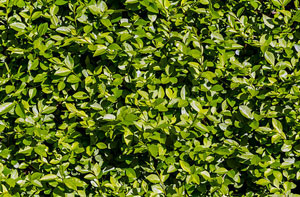
For homeowners in Beeston who are looking at privet as a possible hedging option, this section goes through some of the things that are worth knowing before going ahead - A properly maintained privet hedge can provide a dense, well-defined boundary, which helps explain why it remains such a familiar sight in Beeston's gardens. Privet can grow reasonably speedily during the warmer months & responds well to being cut back on a fairly regular basis, so a hedge that's kept neat may need trimming several times over the course of the year. Letting new shoots grow without being cut back can gradually change the dimensions of a privet hedge, whereas regular trimming helps maintain its intended size & shape and encourages dense growth across its surface. Normal trimming might well be enough for a privet hedge that's been well-managed, but a heavily overgrown one can be considerably more involved, with dense woody growth sometimes calling for heavier cutting.
Spotting Pests & Diseases in Hedges
A hedge that is affected by a pest or disease problem may start to look untidy or unhealthy, but the problem can also have an impact on the growth it is able to produce if it is allowed to get worse. Knowing what signs to keep an eye out for can make hedge problems more noticeable, with changes in leaf colour, patches of weak growth, dying stems and unusual marks being among the signs that could indicate a disease or pest issue. It isn't always the same underlying problem behind hedge damage; insects such as caterpillars, aphids & scale insects can cause damage to the leaves and stems, while fungal problems may result in anything from discoloured or spotted leaves to sections of the hedge beginning to die back. Working out what's behind the issue should come before you cut out any unhealthy or damaged growth, because the right approach can depend on whether disease, pests or something else is responsible. Getting the hedge back into good condition might take more than just removing affected growth, particularly if there is an ongoing pest or disease problem or something about its growing conditions needs to be corrected.
Typical Hedge Maintenance Tasks and Services

Beeston gardeners and hedge specialists can usually help you with general upkeep services, hawthorn hedge cutting, tall hedge cutting, help with removing a hedge, cedar hedge cutting, the removal of tree stumps, conifer hedge trimming, lilac hedge trimming in Beeston, hedge and tree trimming, hedge landscaping, hedge height lowering, hedge lowering, the correct trimming of leylandii hedges, hedge makeovers in Beeston, hedge clipping removal, hedge weed control & mulching, hedge overhang cutback in Beeston, domestic hedge maintenance, garden rubbish disposal in Beeston, garden hedge clipping, hedge pest control, hornbeam hedge cutting in Beeston, box hedge pruning, farm hedge cutting, hedge reductions in Beeston and other hedge related services in Beeston, Nottinghamshire. Listed are just an example of the duties that are undertaken local gardeners. Beeston specialists will inform you of their full range of services.
Hedge Cutting Services Beeston
- Hedge Removal in Beeston
- Hedge Trimming in Beeston
- Hedge Planting in Beeston
- Hedge Pruning in Beeston
- Hedge Shaping in Beeston
- Hedge Lopping in Beeston
- Tree Pruning in Beeston
- Hedge Cutting in Beeston
- Hedge Spraying in Beeston
- Hedge Care in Beeston
- Hedge Tidying in Beeston
- Hedge Reduction in Beeston
- Shrub Pruning in Beeston
- Hedge Maintenance in Beeston
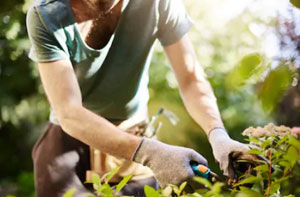 Hedge Care Beeston
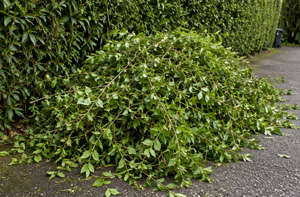 Hedge Cutting Beeston
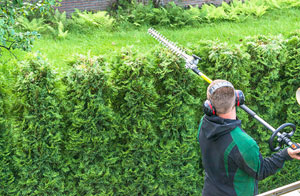 Hedge Trimming Beeston
Hedge Trimming Near Me
Near Beeston you can also find: Rylands hedge cutting services, Chilwell Beeston hedge cutting services, Bramcote hedge cutting services, Beechdale hedge cutting services, West Bridgeford hedge cutting services, Ruddington hedge cutting services, Long Eaton hedge cutting services, Sandiacre hedge cutting services, Wollaton hedge cutting services, Stanton by Dale hedge cutting services, Nottingham hedge cutting services, Trowell hedge cutting services, Lenton hedge cutting services, Clifton hedge cutting services, Chilwell hedge cutting services, Stapleford hedge cutting and more. Most of these areas are catered for by local hedge care specialists. Beeston home and business owners can get price quotes by going here.
Professional hedge trimming in NG9 area, and dialling code 0115.
Hedge Clipping Beeston - Hedge Cutting Near Me - Hedge Trimming Near Me - Hedge Cutting Beeston - Tree Surgery Beeston - Hedge Trimming Beeston - Hedge Shaping - Hedge Removal Beeston - Hedge Cutting Contractors Beeston