
Hedge Cutting Sidcup Greater London (DA14) Area: A familiar feature in gardens all around Sidcup, hedges can be planted for a range of useful reasons, including separating different sections of the garden, softening property boundaries & providing shape to an outside space. The vast majority of hedges, though, will need to be clipped from time to time to keep their height and width under control. How frequently a hedge needs cutting can vary according to the sort of hedge, the speed at which it grows, in addition to the finished appearance you wish to achieve.

In some scenarios, a hedge may only need a relatively minor trim, while in others it could require a considerable reduction in overall height or width. Formal hedges with clean lines & neatly defined tops will generally need more frequent attention than informal hedges, which can be allowed to retain a looser shape. While less vigorous hedges may only need occasional cutting, more vigorous varieties can require several cuts over the course of the growing season.
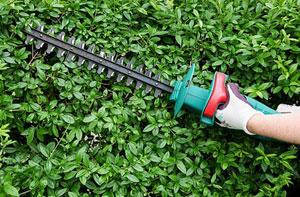
When Should Hedge Cutting Be Done?
Instead of there being one set time of the year for cutting hedges in Sidcup, the right timing will depend on the species, its growth habits & its particular requirements. It is also worthwhile to think about the extent of cutting involved, as removing a small amount of growth is very different from cutting away a considerable amount of mature growth. Before starting any extensive work, it is a good idea to check whether that point of year is appropriate for the variety of hedge that is involved.
The potential presence of wildlife needs to also be borne in mind, especially during the bird nesting season. It is important to properly inspect a hedge before clipping it, making certain that any active nests are not interfered with. If you are uncertain whether anything could be hiding or nesting within the hedge, it would be sensible to delay the trimming until a more appropriate time.
Different Hedges Need Different Treatment
Some types of hedge can react quite differently to being trimmed back, so the same method won't automatically work for them all. Certain varieties cope well with reasonably heavy pruning and can generate new growth from mature wood, whilst others may find it difficult to recover if they're trimmed back much beyond the outer green growth. Establishing what variety of hedge you are working with can therefore make a significant difference to how the trimming should be approached.
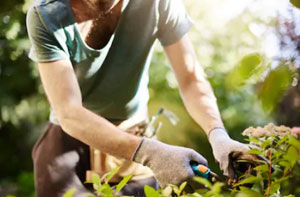
Another consideration is the finish you are aiming for. If your hedge is being kept in a carefully groomed style, careful attention will normally be needed to maintain its neat lines and uniform shape, while less formal hedges can perhaps be allowed to keep more of their natural form. The important thing in either case is to keep any excess growth under control, while taking care not to remove more than the hedge can safely tolerate.
Even though it may look reasonably straightforward, getting a hedge to be straight with an even shape can be surprisingly difficult, particularly with a lengthy section or where the hedge is growing on uneven ground. Rather than just trimming along the existing shape & potentially emphasising uneven areas, dips & bumps, taking a bit of time to consider the finished shape can help create a more even finish.
The sides of a formal hedge are shaped slightly narrower near the top section, instead of being left to widen towards the top. By bringing the sides in slightly towards the top, you can help more light reach the lower growth, as well as producing a more well-proportioned look. Using basic guides such as string lines and measuring poles can make it easier to create a particularly straight shape. This is of course one reason why property owners in Sidcup may decide to have their hedges trimmed by someone with practical experience of achieving neat & uniform finish.
Working Space Can Make a Difference
Where the whole hedge can be reached easily from flat, even ground, the job might be reasonably straightforward, although other situations can be a lot more tricky. Nearby fences, walls, outbuildings, conservatories & steep banks can make a hedge more difficult to access, while its overall size can also mean that cutting it properly from one position is sometimes impossible.
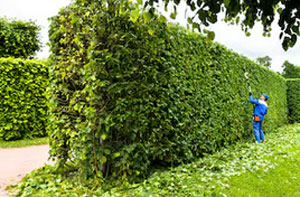
How the hedge can be reached safely should be decided before any cutting starts, rather than dealing with access once the trimming is underway. It is also important to look over the ground surrounding the hedge for obstructions, differences in level or anything else which could make it tricky to manoeuvre equipment. Where a hedge is next to a road, pavement or neighbouring property, greater care will be needed to make sure the surrounding area safe and avoid causing needless inconvenience.
Some hedge cutting jobs become much more complicated because of the access that's available, and in these situations a reliable hedge cutting specialist from Sidcup can deal with the more awkward aspects of the cutting.
As soon as hedge cutting moves beyond straightforward routine trimming, the equipment that's needed can swiftly become more varied than simply using a standard hedge trimmer. Smaller, more selective cuts can often be handled with secateurs, but thicker stems & woody branches may need the use of a chainsaw or pole saw. The equipment that's required is by no means limited to cutting tools, particularly on larger or less accessible hedges; suitable ladders or platforms can give the necessary access, whilst plastic sheeting laid on the ground will help to prevent smaller clippings from being scattered across the surrounding area. The work doesn't necessarily end once the hedge has been cut, as larger jobs can leave a considerable amount of material to deal with; chippers or shredders may be used for the larger branches, followed by rakes and leaf blowers to finish the clear-up.
Hedge Cutting Equipment & Tools
Different hedges can need different tools, depending on their condition and size. Whilst powered hedge cutters can speed up the cutting when there are more substantial areas of less woody growth to deal with, manual hedge shears can be more practical for minor adjustments and more precise work. When dealing with a particularly tall hedge, long-reach equipment can be useful to get to the higher growth, but it still needs to be used from a secure working position.
Heavier stems and established branches may need pruning saws, loppers or other cutting tools rather than a standard hedge trimmer. Trying to force unsuitable equipment through heavy growth can result in a poor finish and may harm the equipment. Different parts of the cutting may require different tools, and making the appropriate choice can help produce a cleaner finish, make the work quicker & provide better control.

Tackling Large and Awkward Hedges in Sidcup
A hedge which has become heavily overgrown might need to be dealt with differently from one that's simply having its regular seasonal trim. Rather than simply beginning the trimming, it is better to first consider how much can sensibly be cut back, as well as what kind of finished result the hedge is going to have afterwards. Care needs to be taken when reducing the sides of certain hedges, because removing a considerable amount can expose older inner growth that may not become covered with new growth for a long time.
Hedges that have been left to grow for a considerable number of years can become very large, with some limbs becoming surprisingly heavy in the process. Rather than letting large branches to drop onto fences, plants or other features below, it is usually safer to remove these sections in a controlled way. What might normally be approached as a normal trim may instead need to become a considered reduction when the hedge has to be cut back to its preferred size.
What Happens to Hedge Waste?

A hedge does not need to be all that large to generate a substantial volume of waste, and this often becomes more apparent after the clippings are gathered together. Before the immediate area can be properly tidied after a larger cutting job, the mixture of leafy material, longer shoots and heavier branches left behind will have to be removed.
How the cut material is handled will be influenced by both the quantity involved and the facilities that are on hand. For some homeowners in Sidcup, composting suitable clippings may be a straightforward option, whereas greater quantities may have to be processed & dealt with in a different way. In preference to leaving it until the trimming is in progress to figure out how the cut material will be managed, it can be a good idea to make these arrangements beforehand, especially where there is little room for carrying bags or moving machinery.
Preventing Hedges From Getting Out of Hand
After a hedge has been cut to the intended dimensions, ongoing cutting can help maintain it at around that size, making subsequent visits considerably simpler. Large quantities of established growth shouldn't need to be cut back constantly if the hedge is kept properly maintained, as future cuts can instead concentrate on the more recent shoots which are extending beyond the preferred profile.
The frequency with which this cutting needs to be carried out does not have to be identical for every type of hedge. There is no fixed period of time before another trim is required, because this can be influenced by the hedge's type, how fast it puts on new growth, the prevailing conditions and the standard of tidiness wanted. Monitoring how quickly the hedge grows back after a cut can be a practical way of determining the most suitable maintenance routine.
For homeowners in Sidcup, there may be times when it's more practical to use someone experienced in hedge cutting to deal with the work, rather than trying to manage it all themselves.
Professional Hedge Trimming in Sidcup
Some residents in Sidcup may be comfortable maintaining smaller hedges themselves, especially when the growth being cut can be comfortably reached. The work can be considerably more involved with bigger hedges or those that are difficult to access, while heavy branches, the need for an accurate finish and the use of specialist equipment can make the cutting more difficult still.
A good hedge cutting specialist from Sidcup should first check over the hedge to get a clear idea of precisely what is needed, with its variety, dimensions, overall condition, immediate surroundings and your intended finish all helping to shape how the work is carried out. In cases where there are several hedges on the same site they won't always need the exact same type of maintenance, with each one perhaps needing a different trimming approach or maintenance routine.
The amount that needs to be taken from the top is only one part of looking at hedge trimming in Sidcup, and it's also useful to consider the hedge in its entirety before deciding what cutting is required. How the work should be handled will be affected by a number of considerations, including its variety, current shape, how straightforward it is to reach, the surrounding features & how quickly it's expected to grow in the future. A hedge does not have to lose its natural character in order to be kept at reasonable dimensions, since the right cutting techniques, combined with a practical course of action, can help to preserve both.
Leaving the Work to a Professional
For Sidcup householders who cannot manage their own hedge trimming, or simply would rather leave the work to someone else, bringing in a competent hedge cutting contractor can allow them to leave the work to somebody with the necessary experience. A hedge cutting contractor can assess the hedge beforehand, taking its type, condition & surroundings into account before deciding precisely how the work should be tackled and how hurdles such as difficult access, more substantial growth or waste removal will be dealt with. That can be useful where there are several hedges that need work, or where maintaining a particular height, shape or finish is the main objective.
Nearby:Garden maintenance services are available in Sidcup and also in: Shooters Hill, Swanley, Shortlands, Hextable, Foots Cray, Bickley, Petts Wood, Dartford, Orpington, Blackfen, St Mary Cray, Chislehurst, Lewisham, Welling, Bexley, Bexleyheath, Crayford, Bromley, Downham, and in these postcodes DA14 4PT, DA14 4JJ, DA14 4NE, DA14 4ER, DA14 4NH, DA14 4QE, DA14 4PX, DA14 4BB, DA14 4EX, DA14 4QD. Local Sidcup gardeners will most likely have the postcode DA14 and the telephone dialling code 020.
Privet Hedges
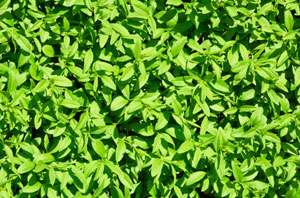
For garden hedging, privet is a common option because its thick growth helps form a useful boundary. Privet normally tolerates regular trimming, but it may also put on substantial new growth during the growing season, so mature hedges can need several trimming sessions each year to maintain a well-kept look. Homeowners in Sidcup can use routine cutting to keep their hedges at the intended width and height while supporting bushy growth along the outside of the hedge. When a privet hedge is left neglected, parts of it may become thick with older woody growth, and bringing it back into shape can involve more than routine cutting.
What Can Cause Problems With a Hedge?
From an unattractive appearance to disrupted growth, there are several ways in which diseases and pests can damage a garden hedge. Rarely do the symptoms shine through instantly; rather, some things like bare patches, discoloured leaves, dead shoots, weak growth and unusual markings can indicate that something is wrong. Whether you have a mixed boundary hedge, insects including aphids, scale insects & caterpillars can cause trouble, while a fungal infection may show up as spotting, dying shoots or other damage. Establishing what is responsible for the damage is worth doing before removing the unhealthy growth.
Leylandii Hedges: Privacy and Maintenance
Leylandii hedging may provide a thick evergreen boundary between neighbouring properties, providing year-round screening and a degree of wind protection, while its rapid growth helps make it a common garden hedge. A tall privacy screen can be established reasonably swiftly with Leylandii, which makes it a possible choice for householders in Sidcup who have sufficient room to accommodate its growth. Keeping a Leylandii hedge at the preferred width and height may require frequent attention, particularly when favourable growing conditions allow it to grow several feet over a single growing year. Unlike certain other kinds of hedge, Leylandii will not generally produce new foliage on old brown wood, so a neglected hedge can be difficult to reduce without leaving bare patches. Its thick growth could also restrict light & take up valuable garden space, possibly causing problems where it stands close to neighbouring properties. A little regular attention may save alot of work later, as keeping Leylandii at a manageable size is generally easier than attempting to restore one which has been left to grow unchecked.
Common Hedge Maintenance Tasks & Services

Sidcup gardeners and hedge specialists will likely help you with quickset hedging, cutting back branches that block gates & pathways, box hedge clipping, the maintenance of hedges and trees, regular cutting and shaping of mature privet hedges, commercial hedge cutting, hedge height lowering, hedge removal services, honeysuckle hedge pruning, regular cutting & shaping of ornamental box hedges, flail hedge trimming, instant hedging, clearing unwanted brambles & ivy from boundary hedges, trimming back hedges that have become too wide, expert hedge shaping for formal and decorative gardens, assessing neglected hedges before carrying out restoration work, garden rubbish disposal, trimming hedge growth away from fences & buildings, scheduled hedge maintenance visits throughout the growing season, hedge nutrient management & fertilisation, decorative hedge cutting, professional trimming of newly planted & established hedges and other hedge related services in the Sidcup area of Greater London.
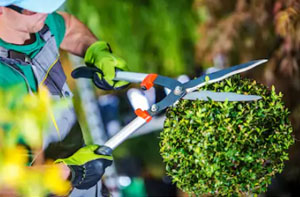 Hedge Care Sidcup
 Hedge Cutting Sidcup
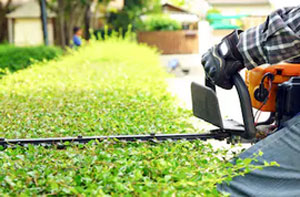 Hedge Trimming Sidcup
Professional Hedge Cutting Near Me
Near Sidcup you will also find: Foots Cray hedge cutting, Chislehurst hedge cutting, Bexleyheath hedge trimming, Blackfen hedge cutting, Downham hedge cutting, Bromley hedge trimming, Shooters Hill hedge trimming, Foots Cray hedge trimming, Lewisham hedge clipping, Welling hedge pruning, Petts Wood hedge cutting, Petts Wood hedge clipping, Welling hedge clipping, Crayford hedge pruning, Welling hedge trimming, St Mary Cray hedge cutting, Downham hedge trimming, Shortlands hedge clipping, Bickley hedge cutting hedge cutting and more.
More: Estate Maintenance, Hedge Planting, Laurel Pruning, Seasonal Trimming, Width Reduction, Hedge Clipping, Seasonal Trimming, Conifer Trimming, Hedge Clearance, Regular Maintenance, Width Reduction, Vegetation Management, Hedge Cutting Services, Hedge Cutting, Hedge Shaping, Hedge Cutting Services, Hedge Renovation, Hedge Thinning, Privet Trimming, Width Reduction.
Hedge cutting in DA14 area, phone code 020.
Hedge Trimming Near Me, Hedge Removal Sidcup, Hedge Cutting Near Me, Hedge Trimming Sidcup, Tree Surgery Sidcup, Hedge Maintenance Sidcup, Conifer Trimming, Hedge Cutting Services, Hedge Cutting Contractors Sidcup, Hedge Cutting Sidcup, Hedge Shaping, Hedge Care Sidcup